
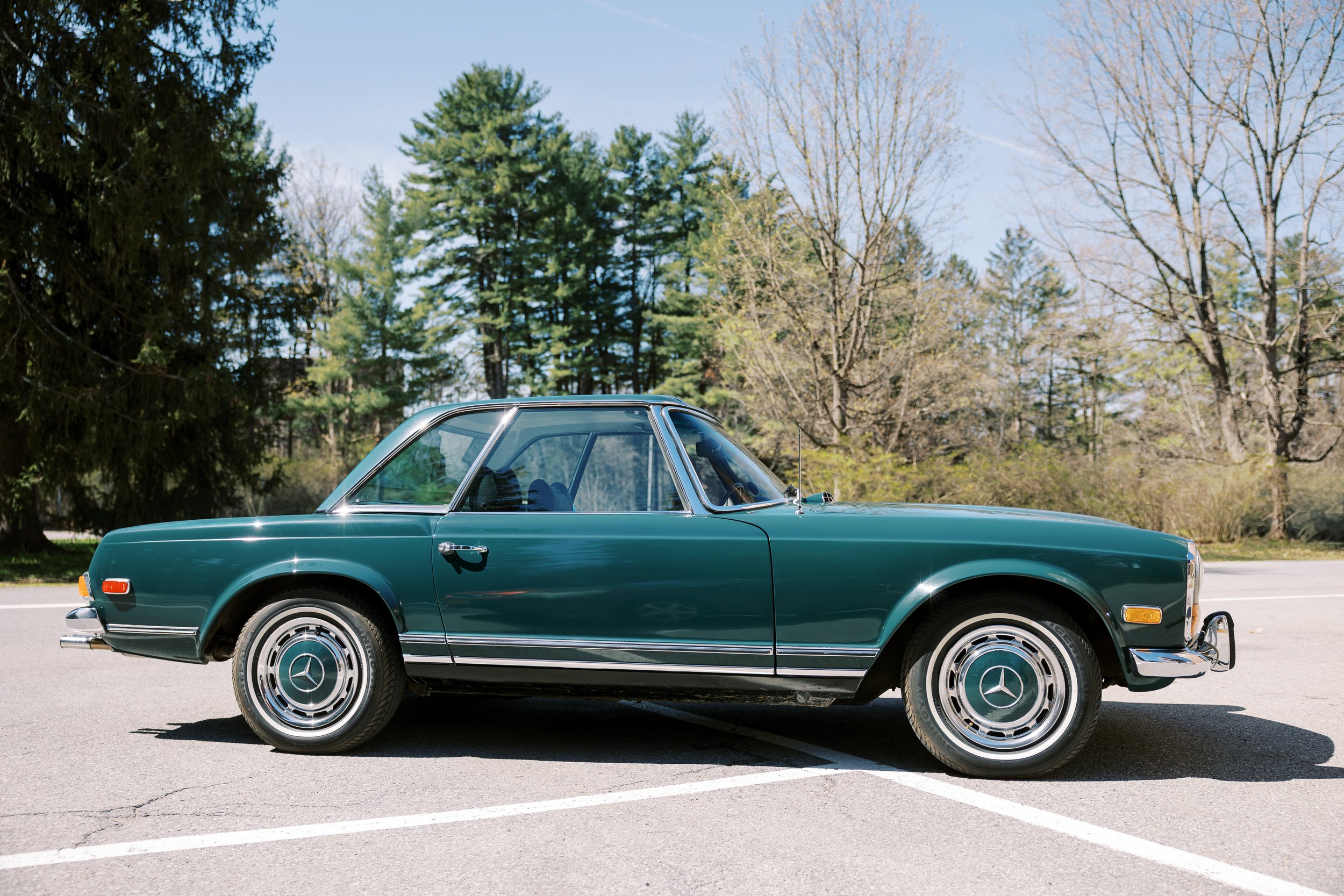
Mercedes-Benz SL embodies decades of innovation, style, and driving excellence.
History of The SL
The Mercedes-Benz SL line traces its origins to the early 1950s, when Mercedes-Benz sought to translate racing success into a road-going sports car. The first model, the 300 SL (W198), debuted in 1954 and quickly became iconic thanks to its distinctive gullwing doors and advanced engineering. Derived from the brand’s racing program, it featured a lightweight tubular frame and direct fuel injection—cutting-edge technology at the time. The “SL” designation itself stands for “Super Leicht” (Super Light), reflecting the model’s performance-oriented philosophy.
By the 1960s and 1970s, the SL evolved from a raw sports car into more of a refined grand tourer. Models like the 230 SL “Pagoda” (W113) introduced a balance of sportiness, safety, and comfort, appealing to a broader, more luxury-focused audience. This shift continued with the long-running R107 generation (1971–1989), which emphasized durability, style, and everyday usability. During these decades, the SL became synonymous with prestige and effortless cruising rather than outright racing performance.
From the 1990s onward, the SL embraced modern technology while retaining its heritage. The R129 generation introduced innovations such as electronic stability control and automatic roll bars, setting new safety standards. Later models, including the R230 and beyond, incorporated features like retractable hardtops and advanced driver aids, blending performance with cutting-edge luxury. Today’s SL models continue to evolve under Mercedes-Benz’s performance division, maintaining the lineage’s core identity as a sophisticated, high-performance roadster with deep roots in automotive history.
-
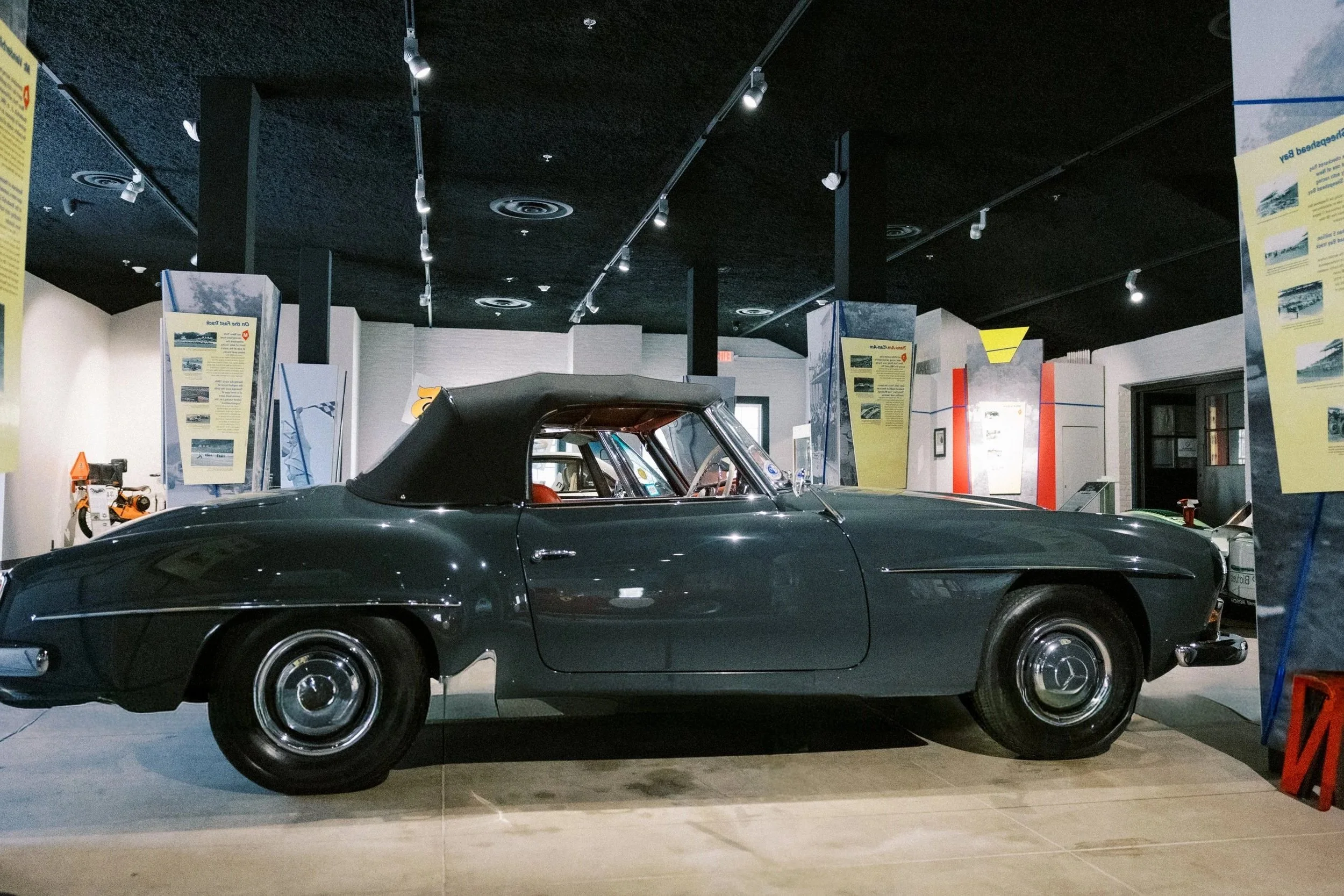
1961 Mercedes-Benz 190SL
-
1970 Mercedes-Benz 280SL Pagoda
-
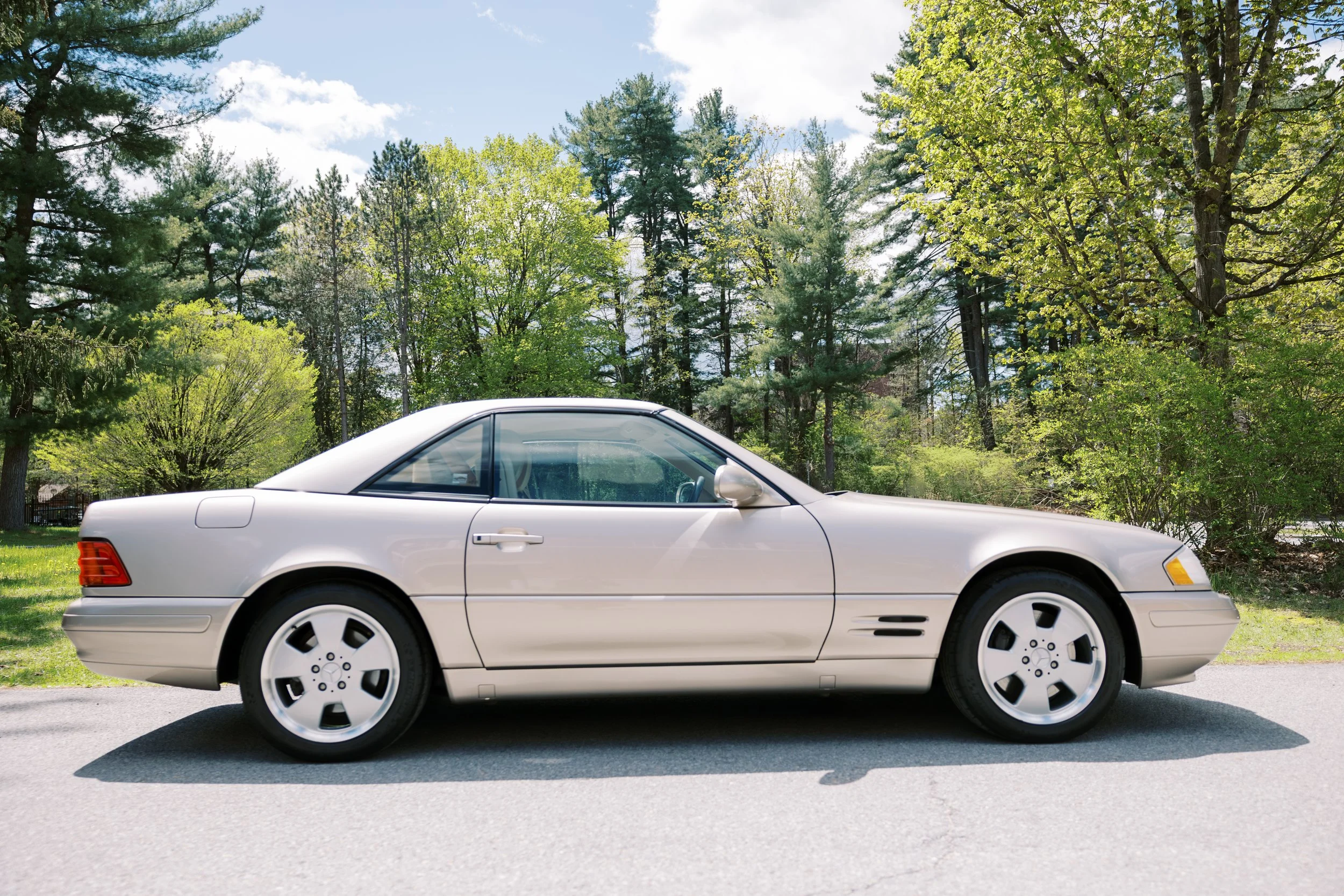
2000 Mercedes-Benz SL500
-
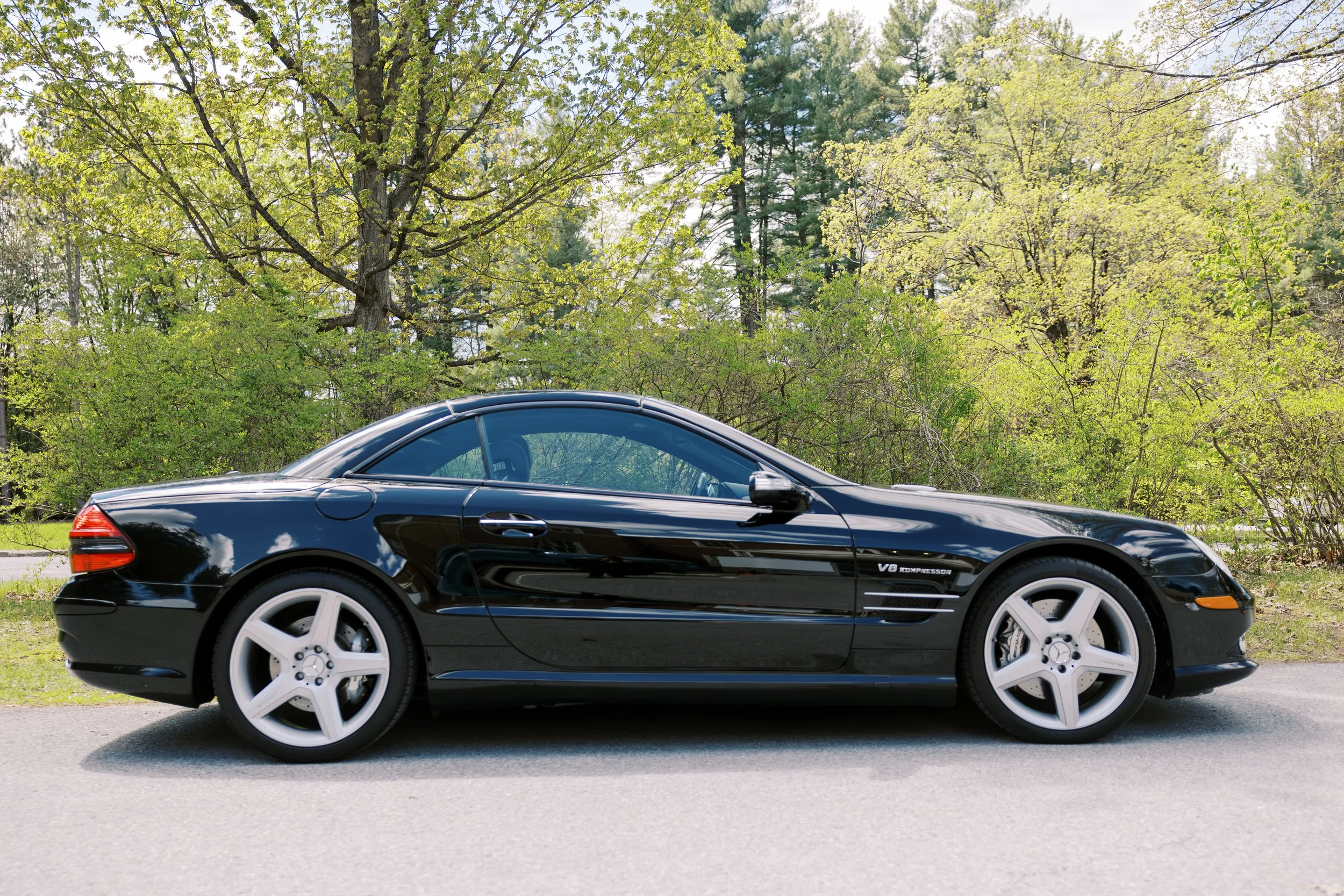
2008 Mercedes-Benz SL55 AMG