Art Fitzpatrick & Van Kaufman - The Artists who Sold the Dream
On Exhibit: November 5-April 26
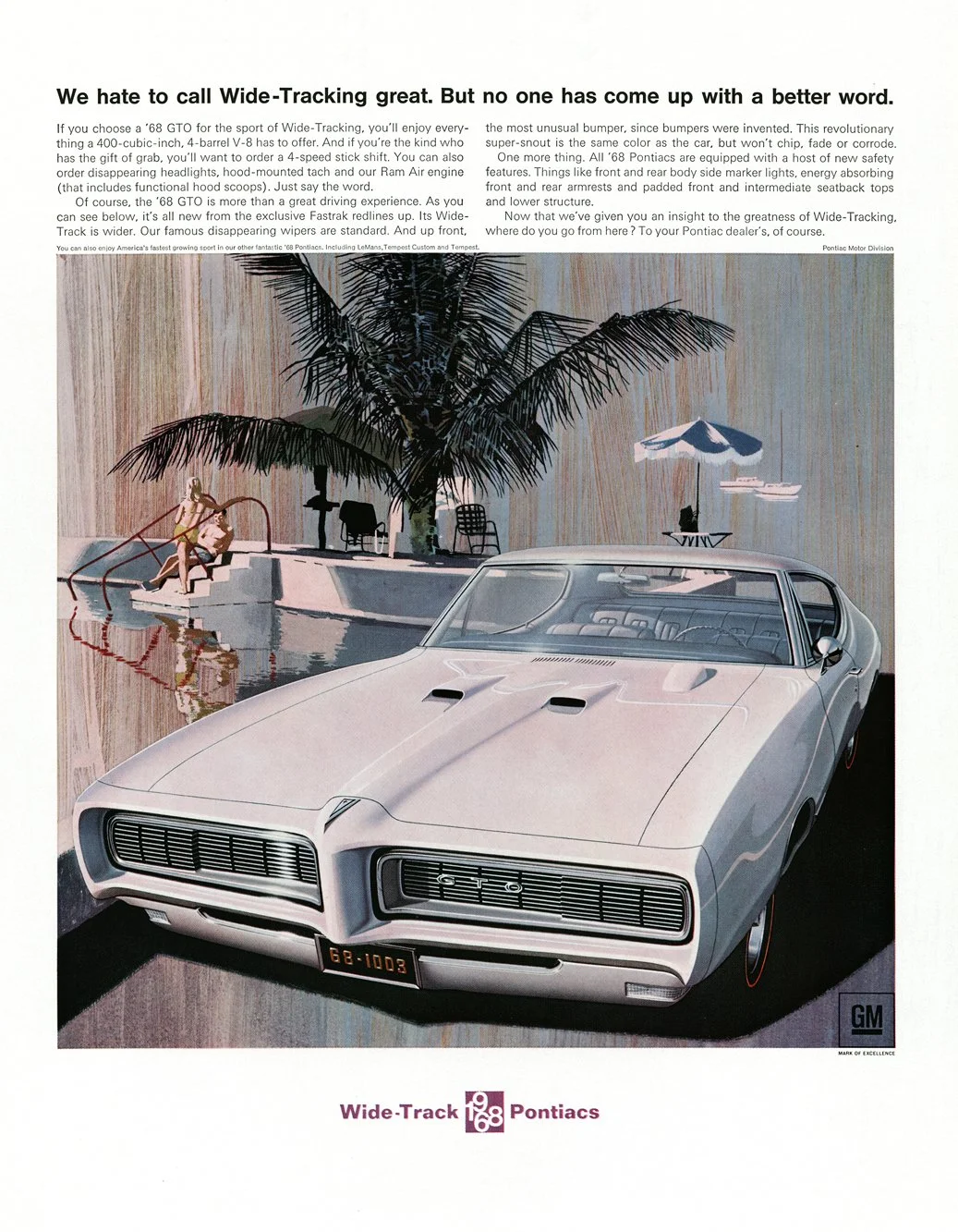
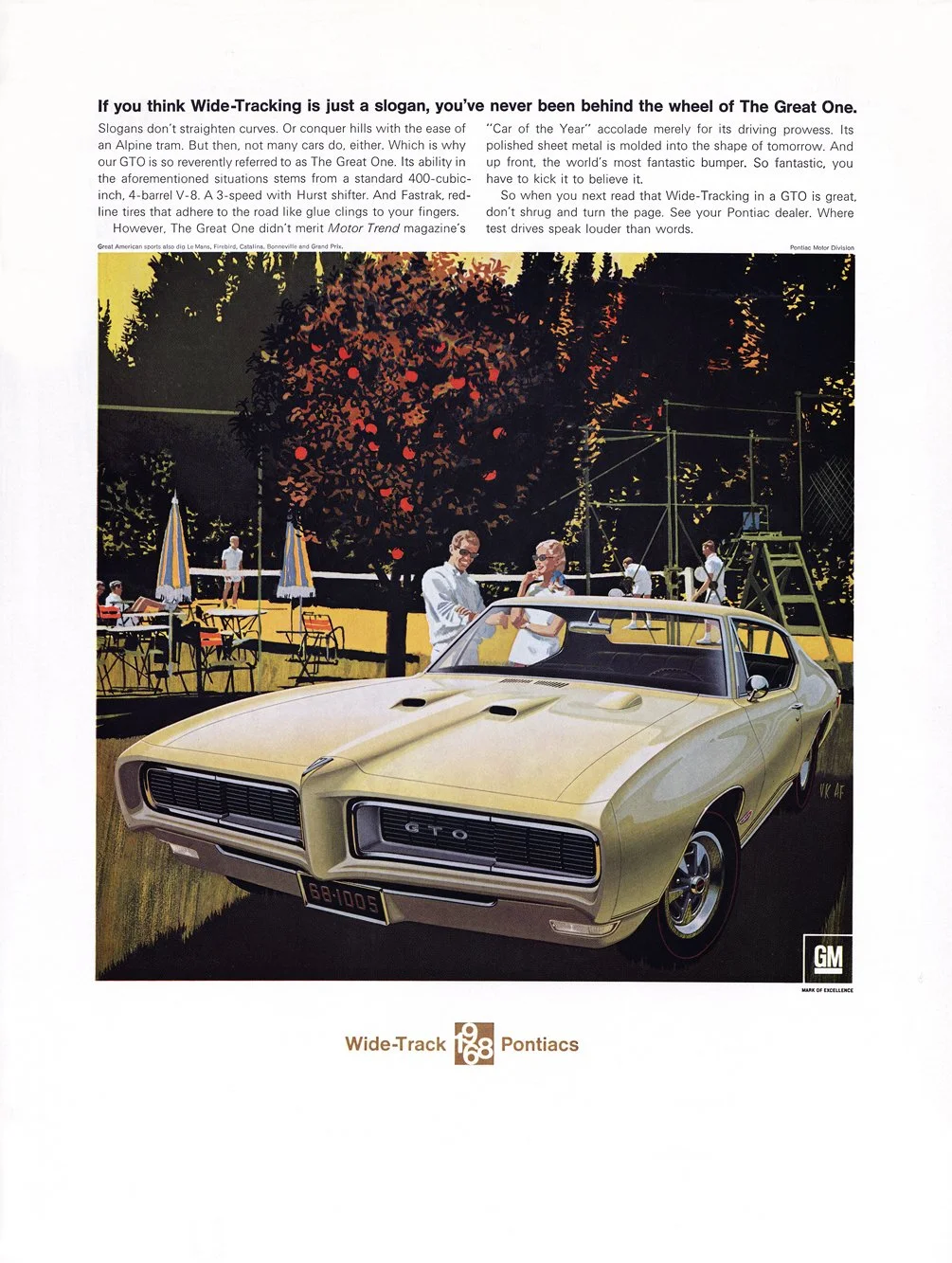
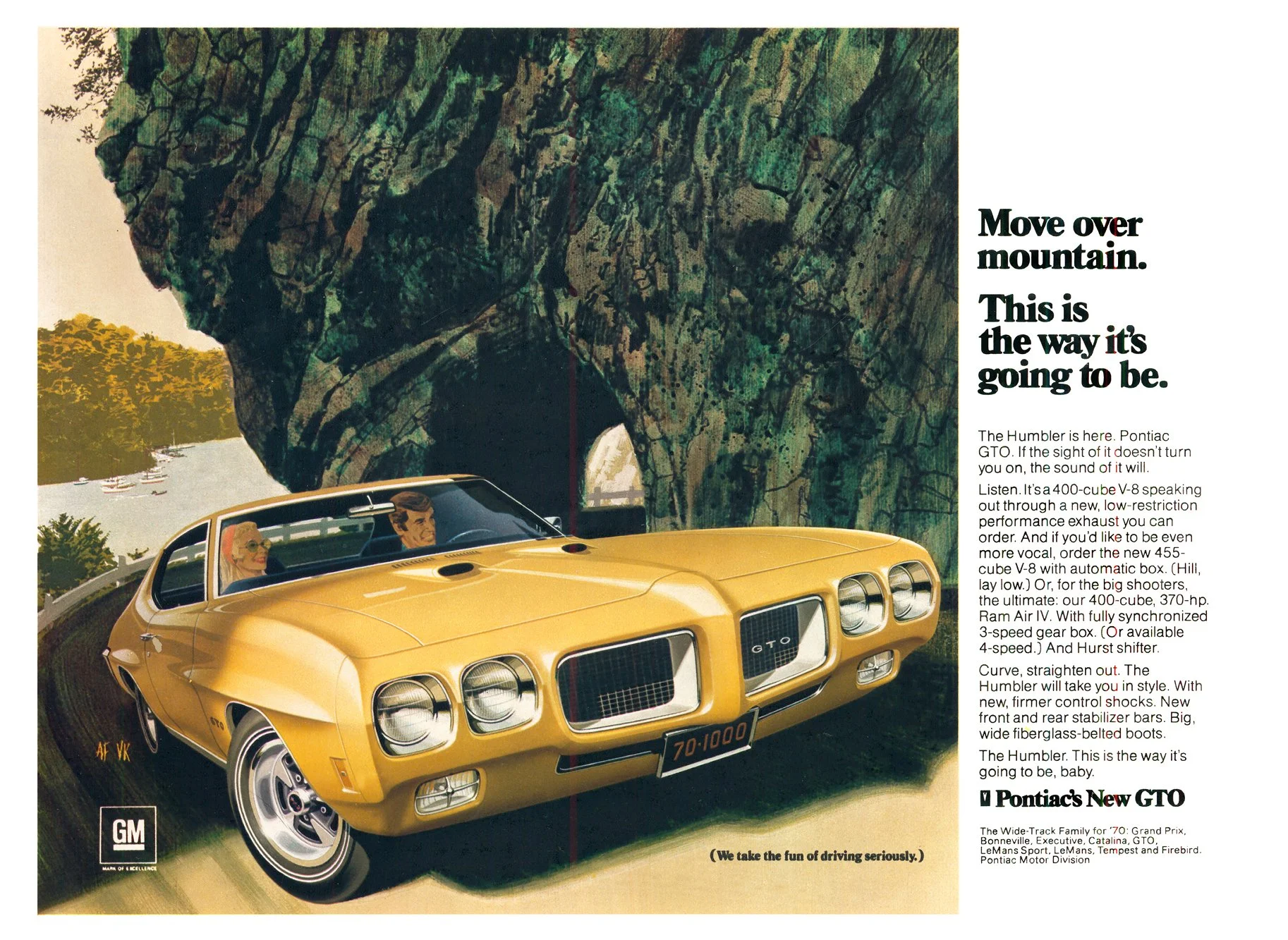
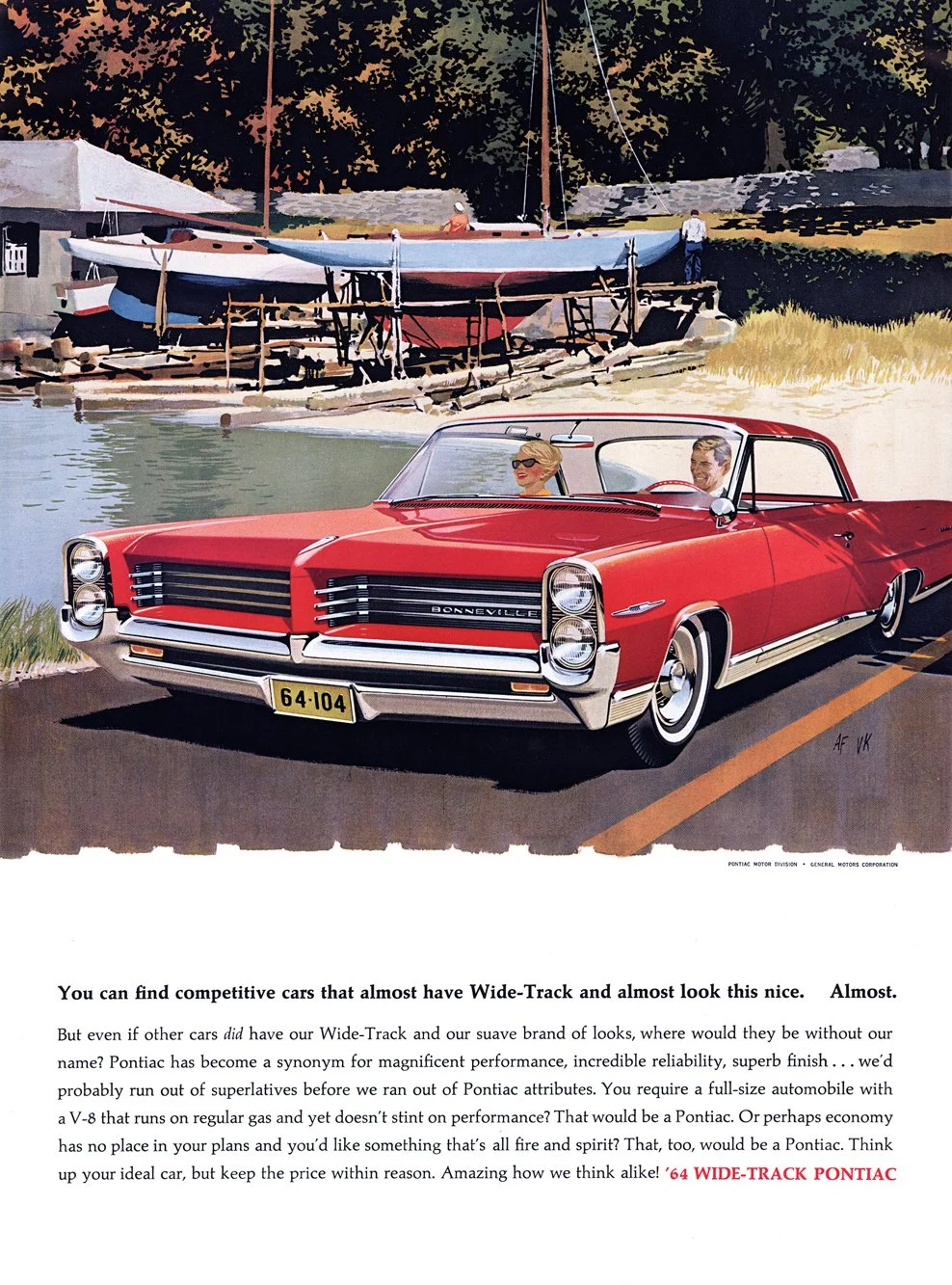
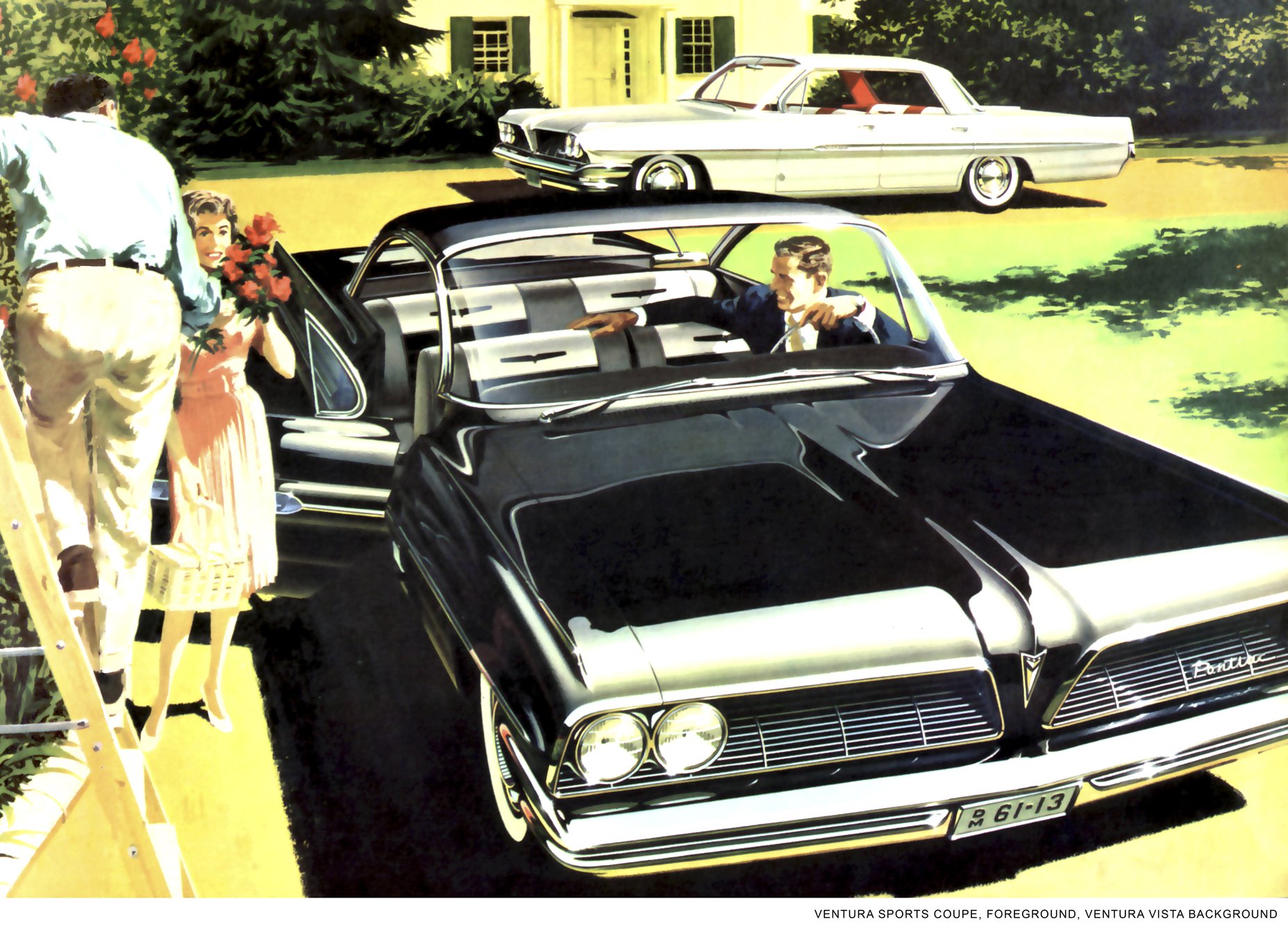
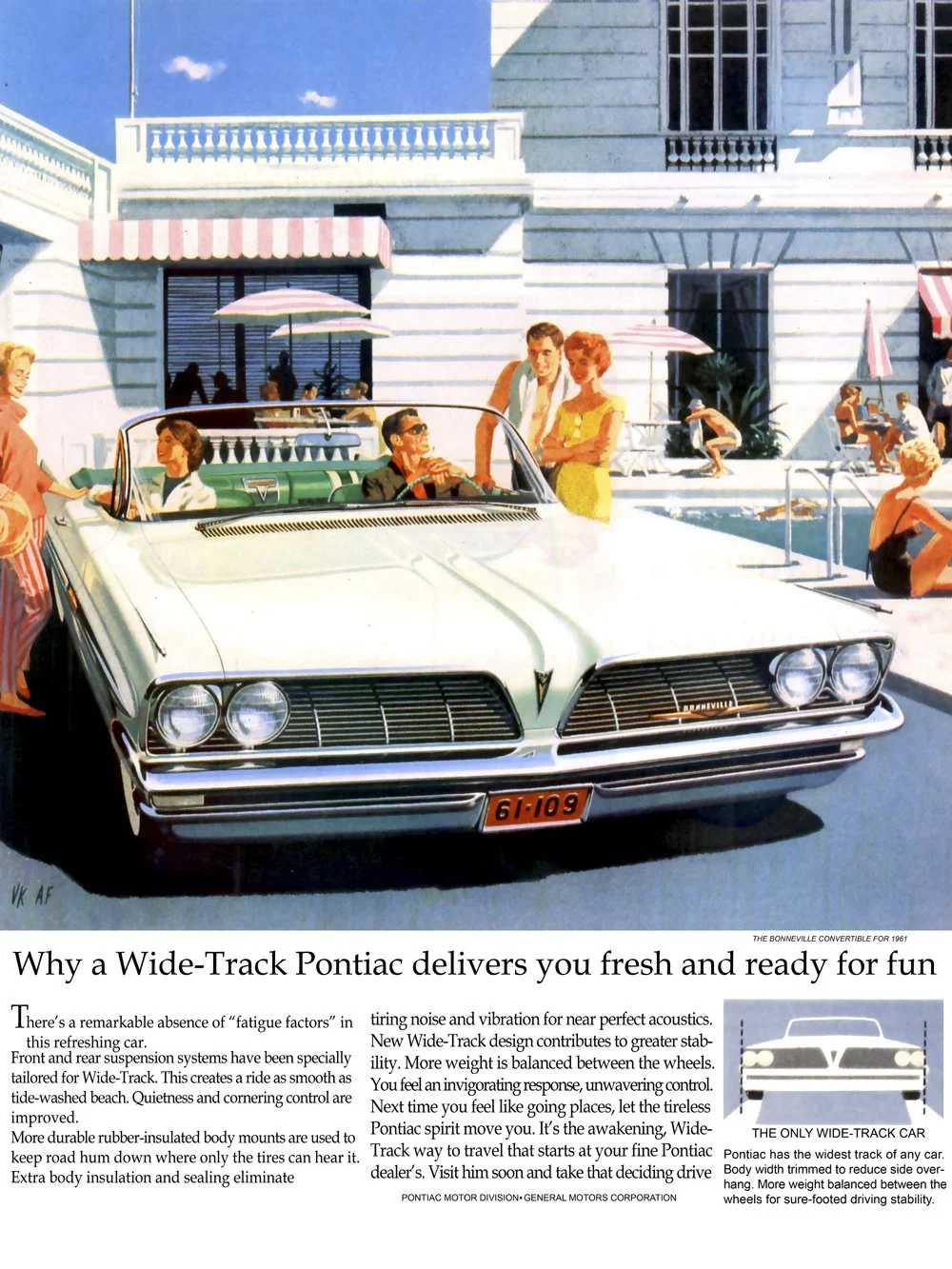
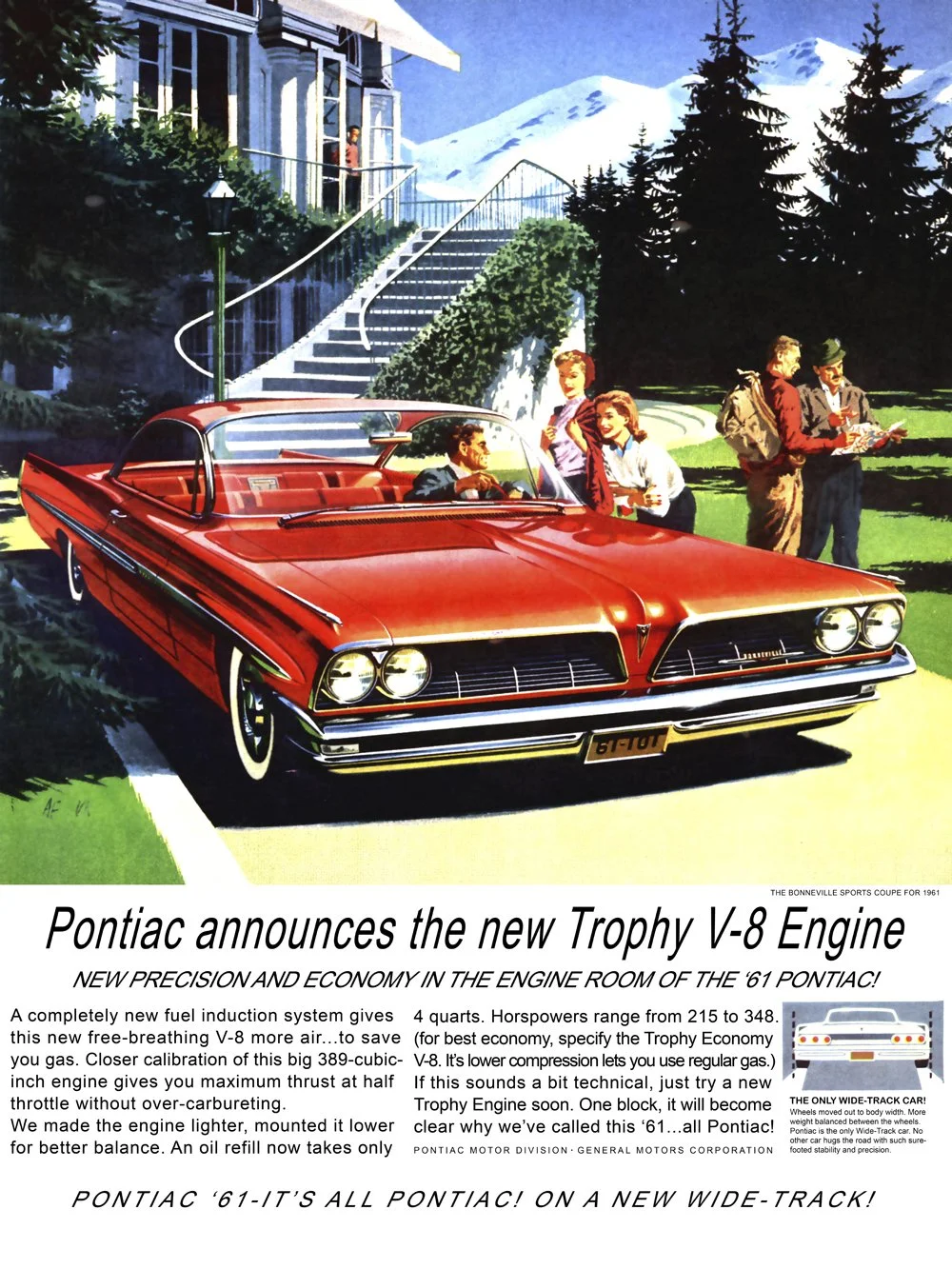
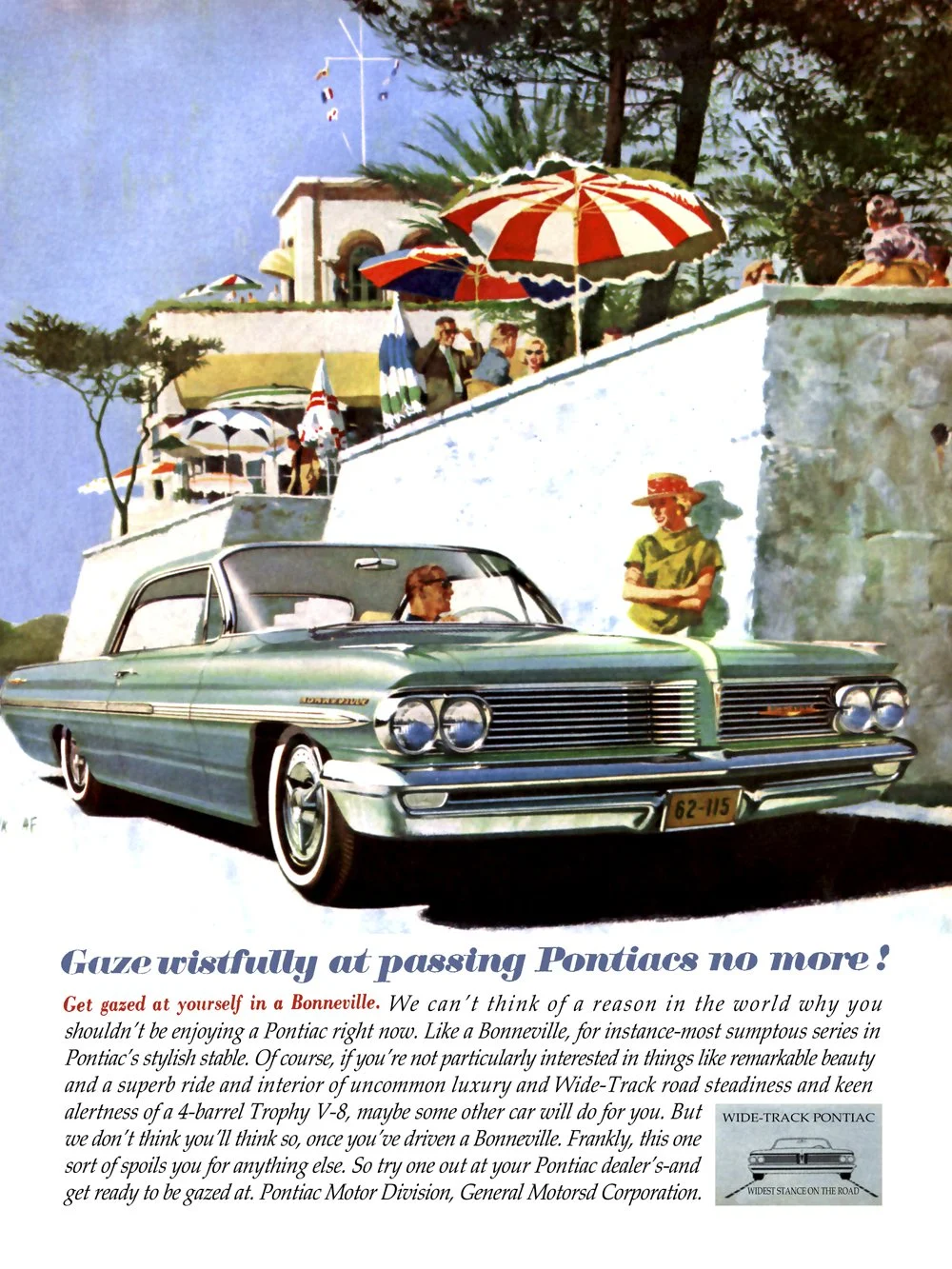
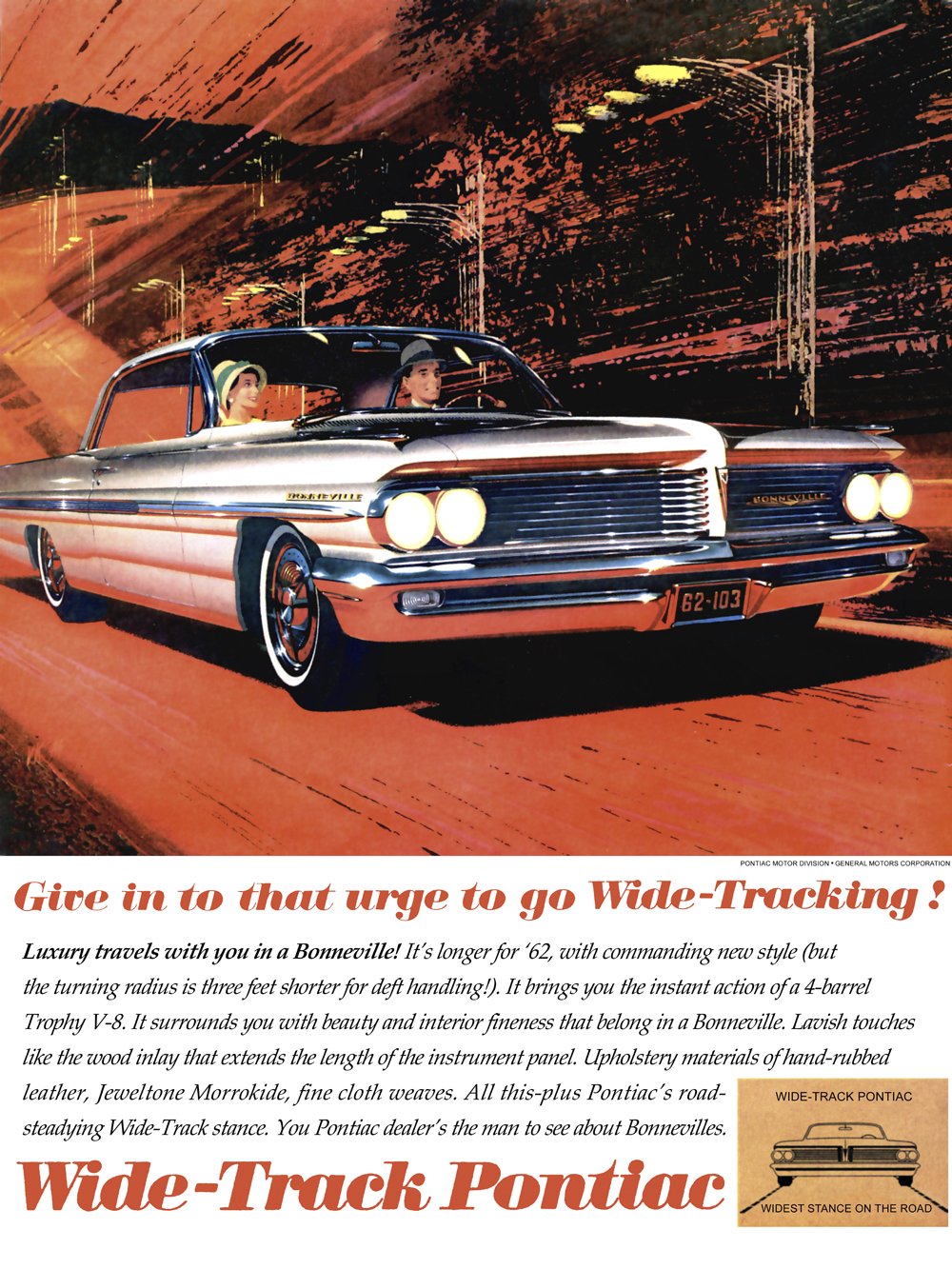
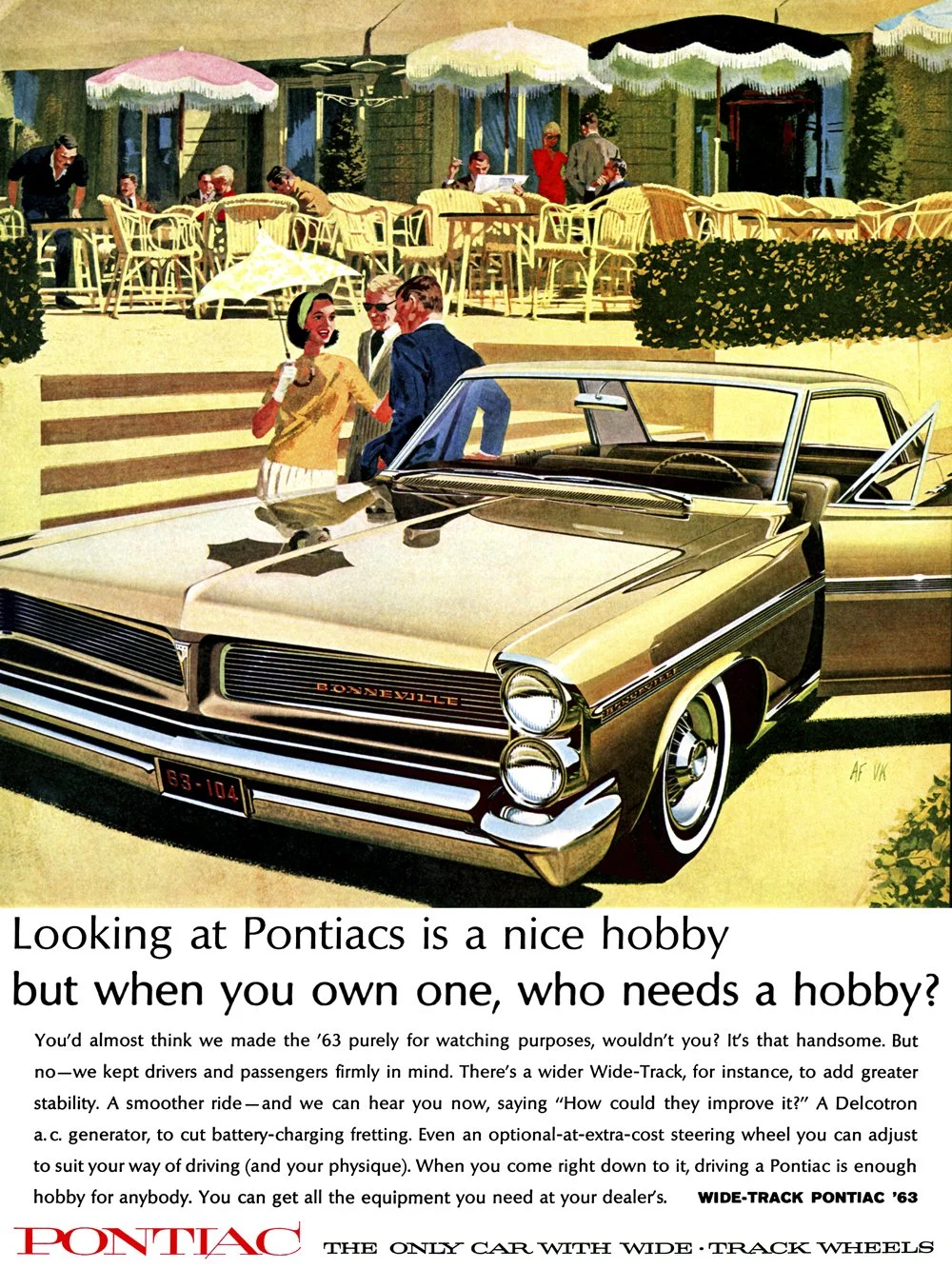
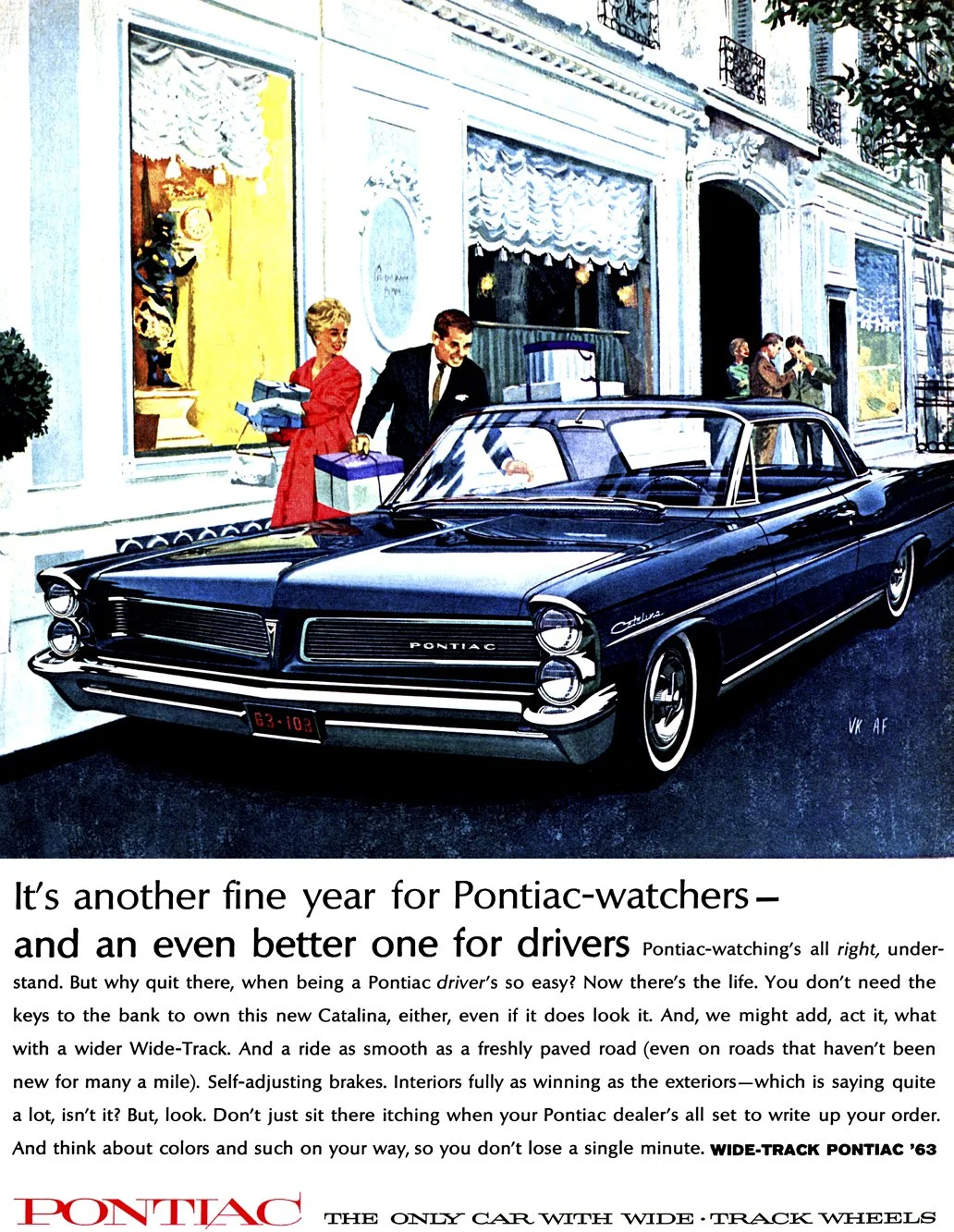
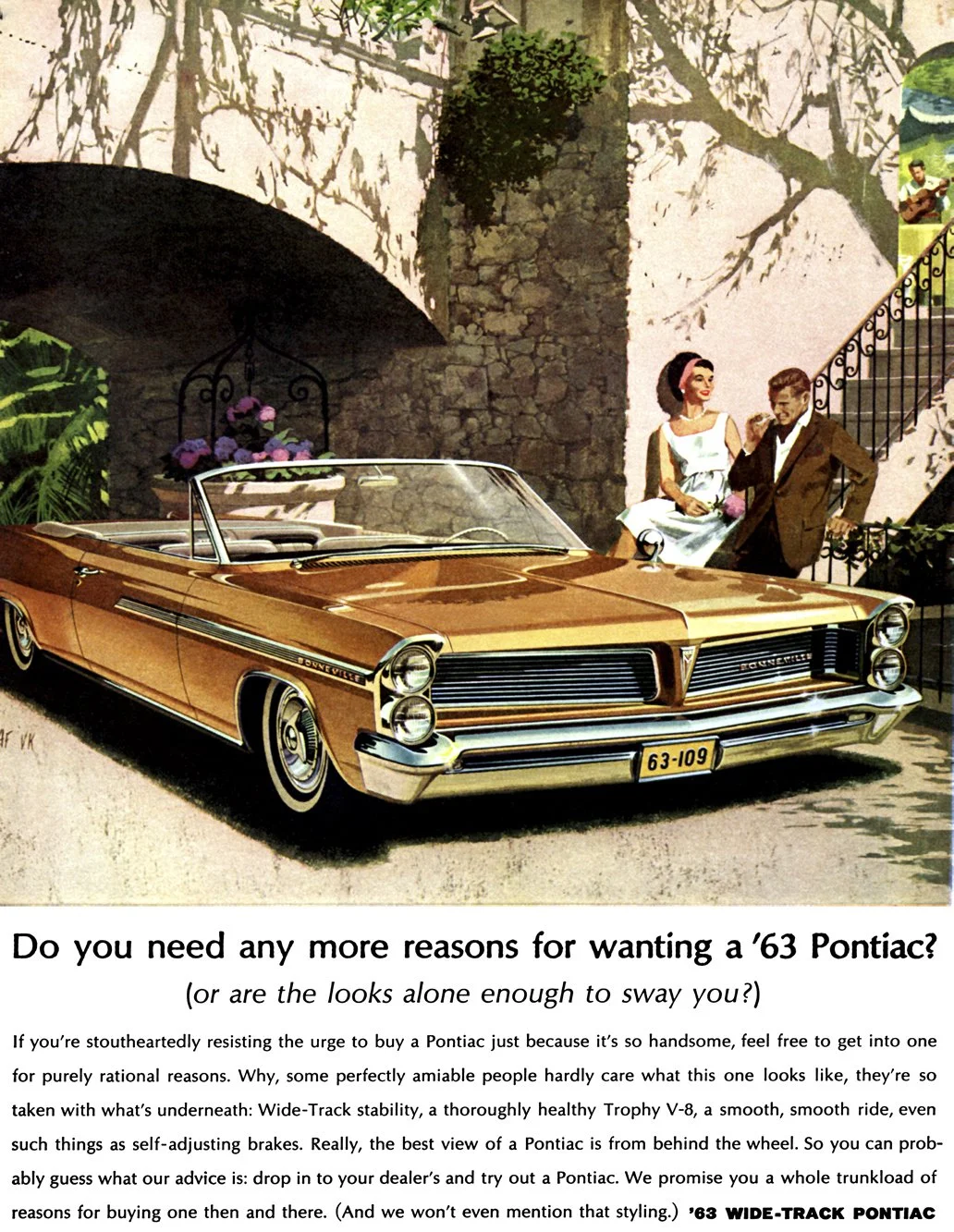
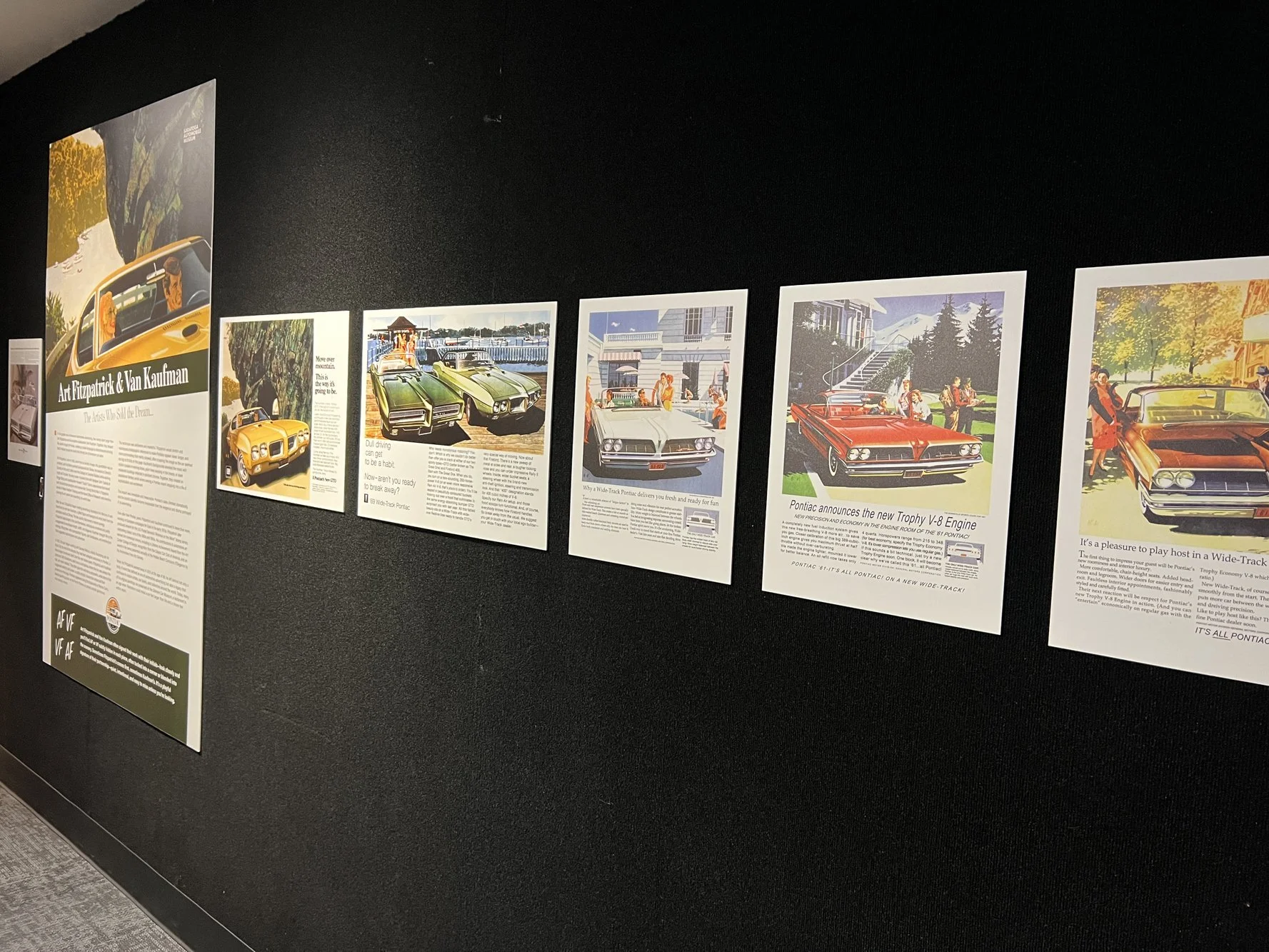
In the golden era of American automotive advertising, few names loom larger than Art Fitzpatrick and his longtime collaborator, Van Kaufman. Together, they shaped the public image of Pontiac, creating a visual language so distinctive and enticing that it helped propel the brand into the top tier of American car sales.
Art Fitzpatrick, born in 1919, came from an artistic lineage. His grandfather was an architect, and his father painted backgrounds for Disney. He studied at Detroit’s Society of Arts and Crafts (now the College for Creative Studies) while working nights at Chrysler. His early career included time with designer John Tjaarda at Briggs Body and coachbuilder Howard “Dutch” Darrin, experiences that honed both his technical precision and creative flair. During World War II, Fitzpatrick served in Naval Aviation Training and the Naval Office of Research and Invention, pausing his art career but expanding his world view.
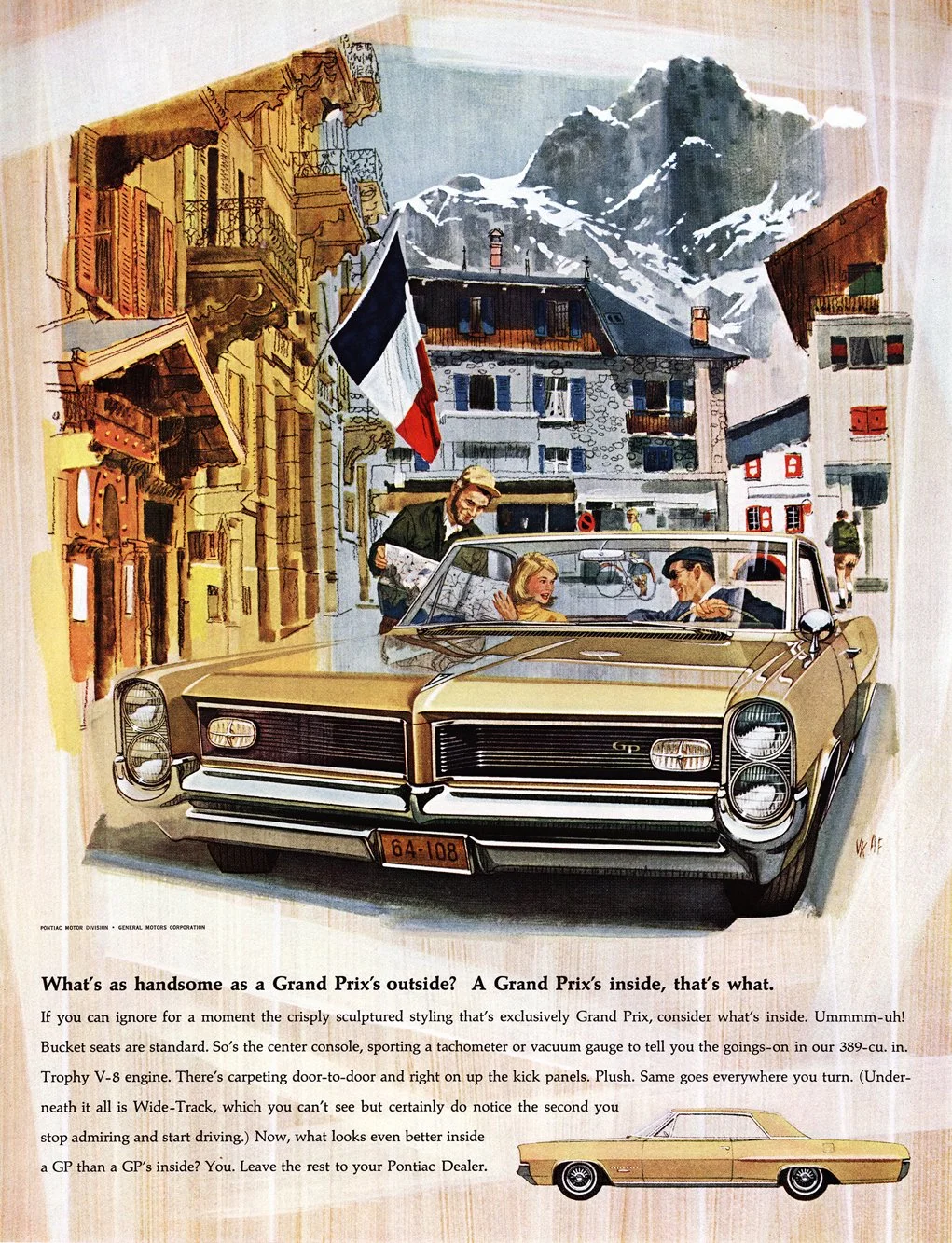
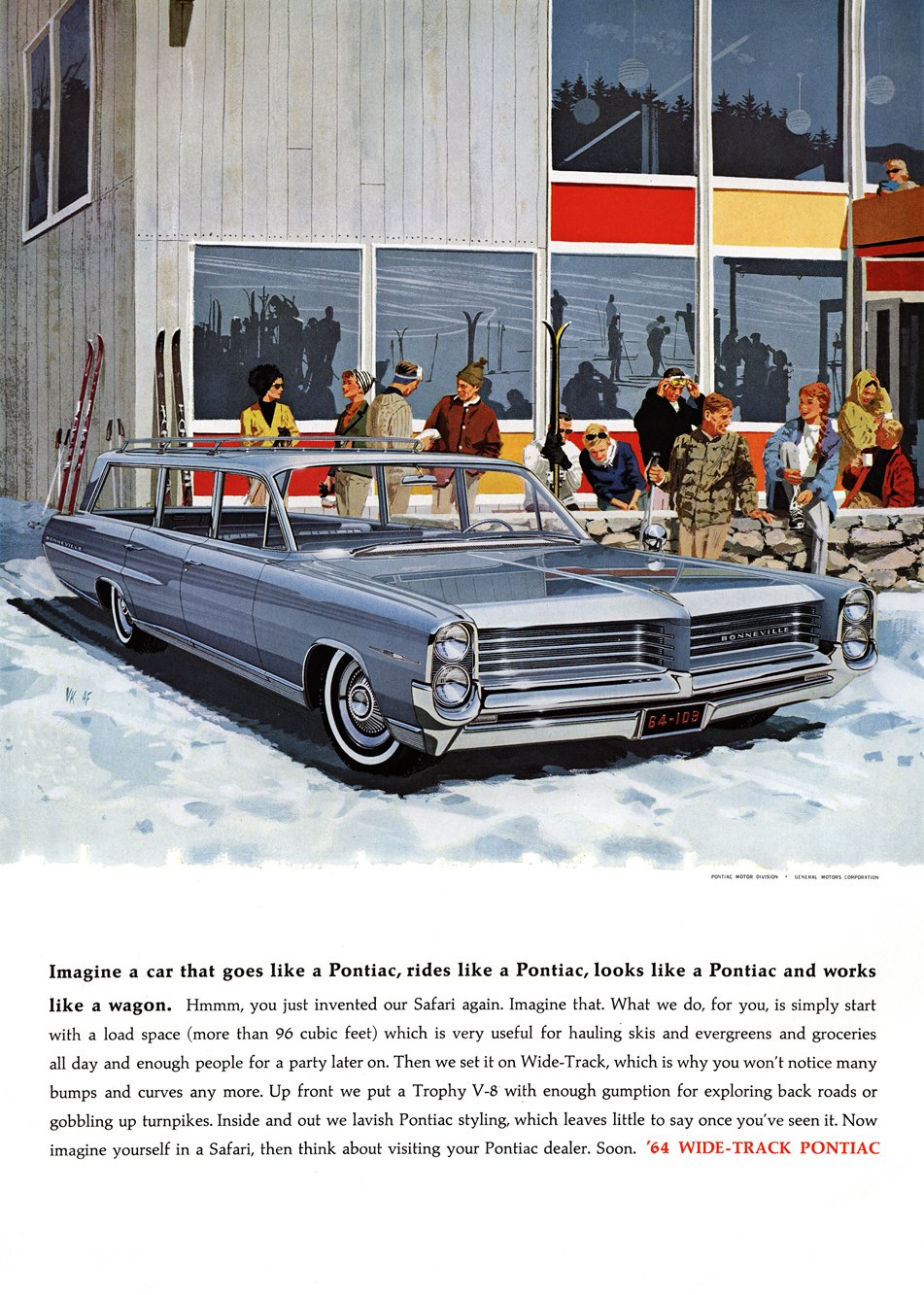
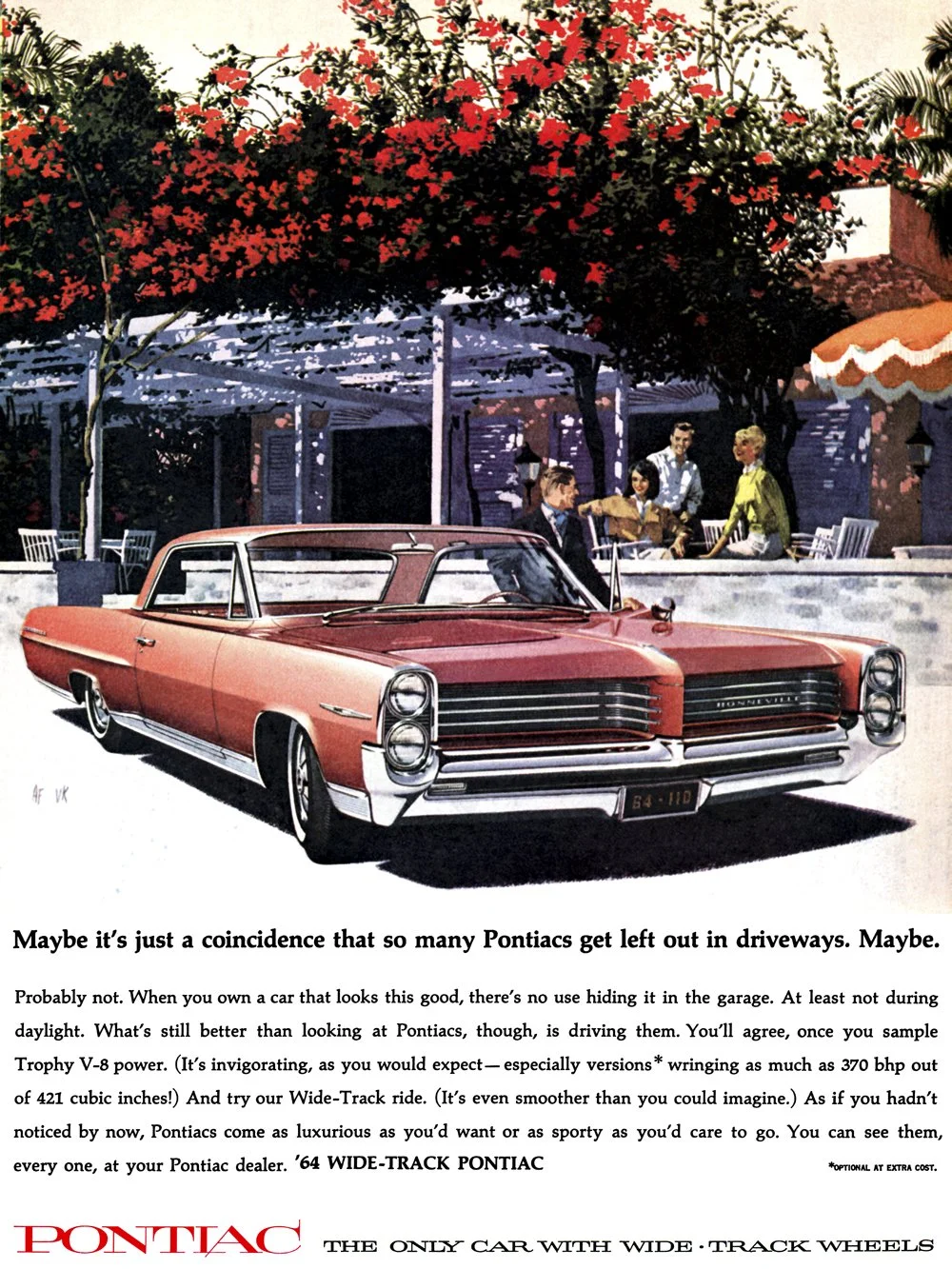
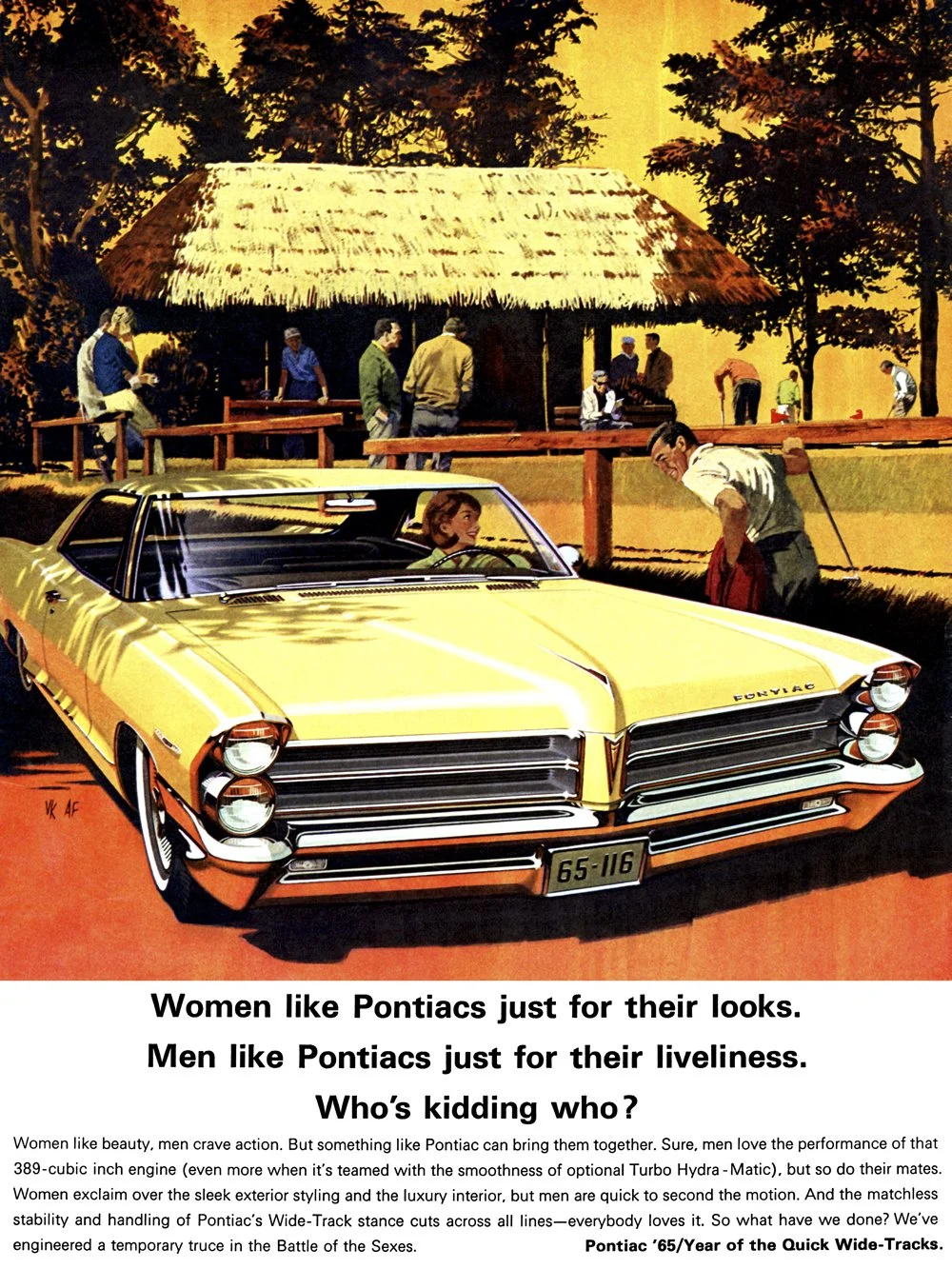
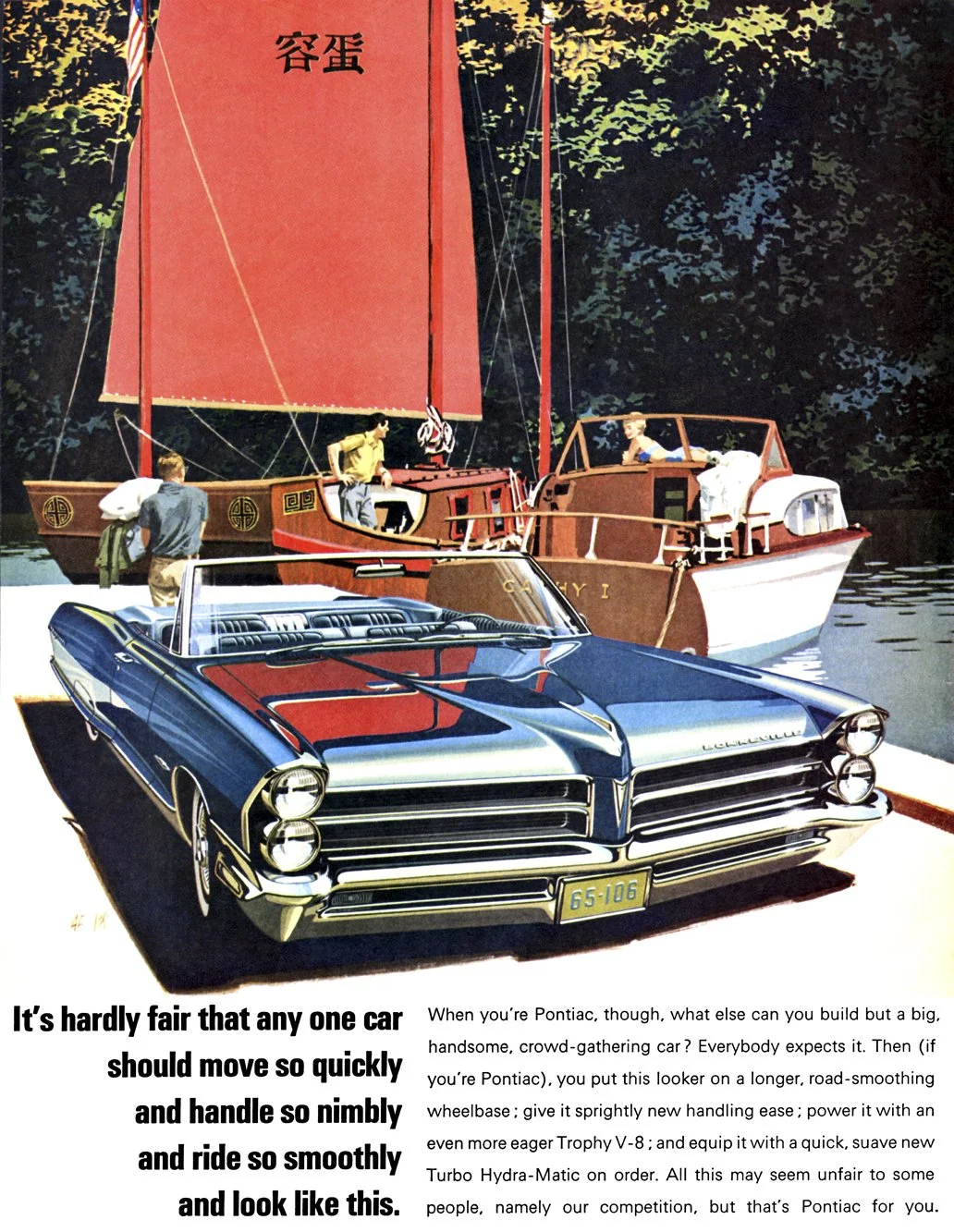
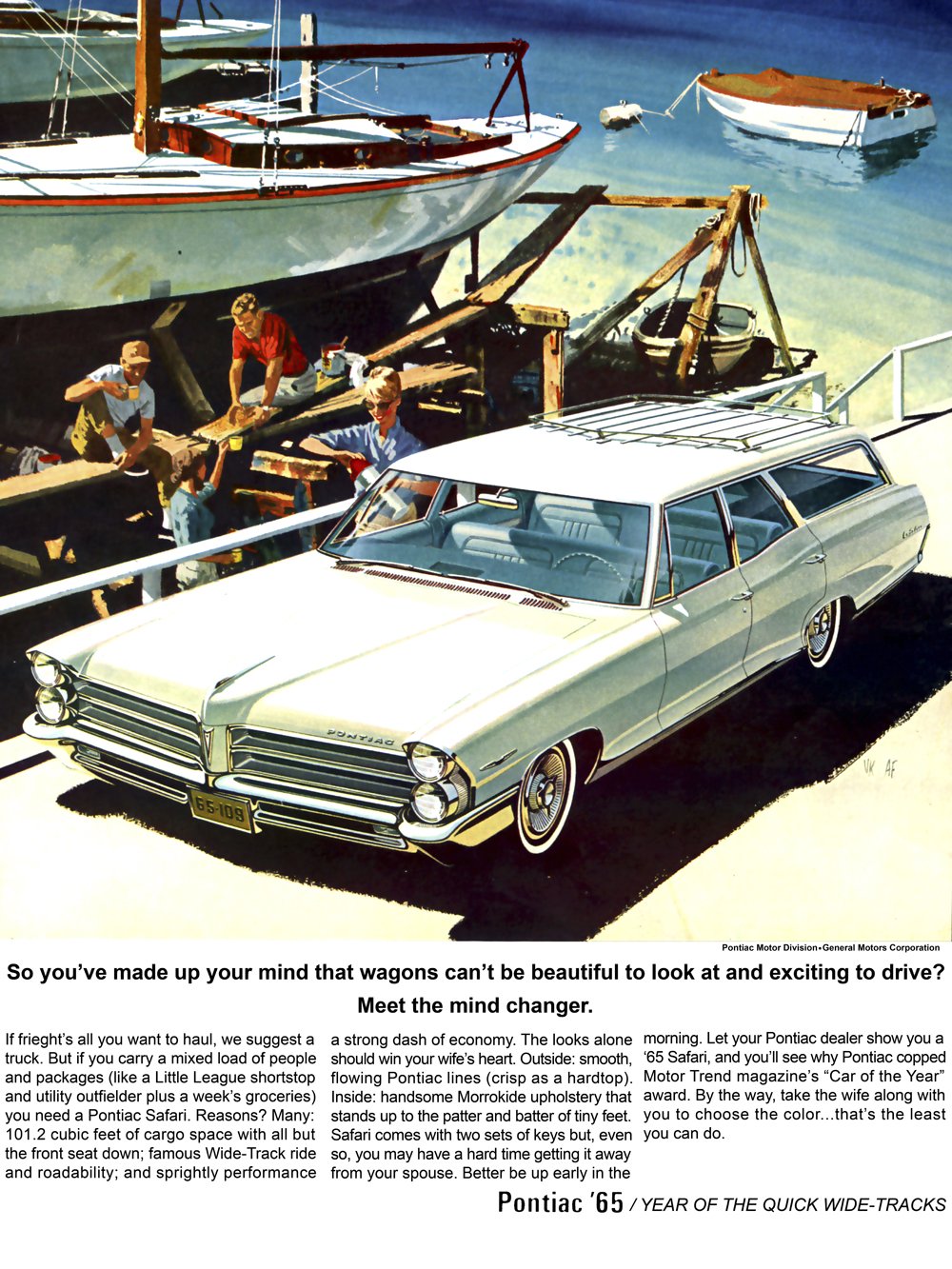
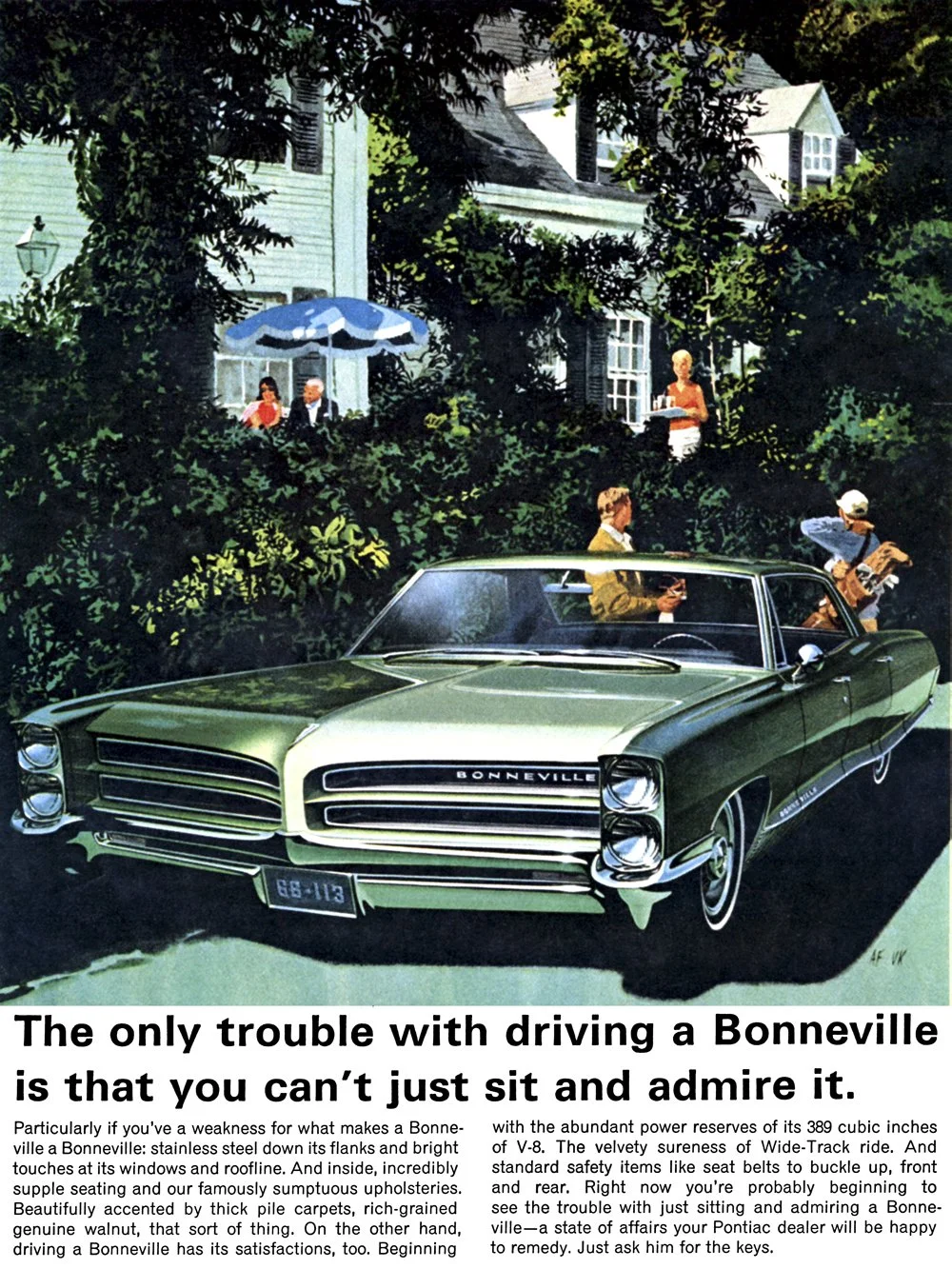
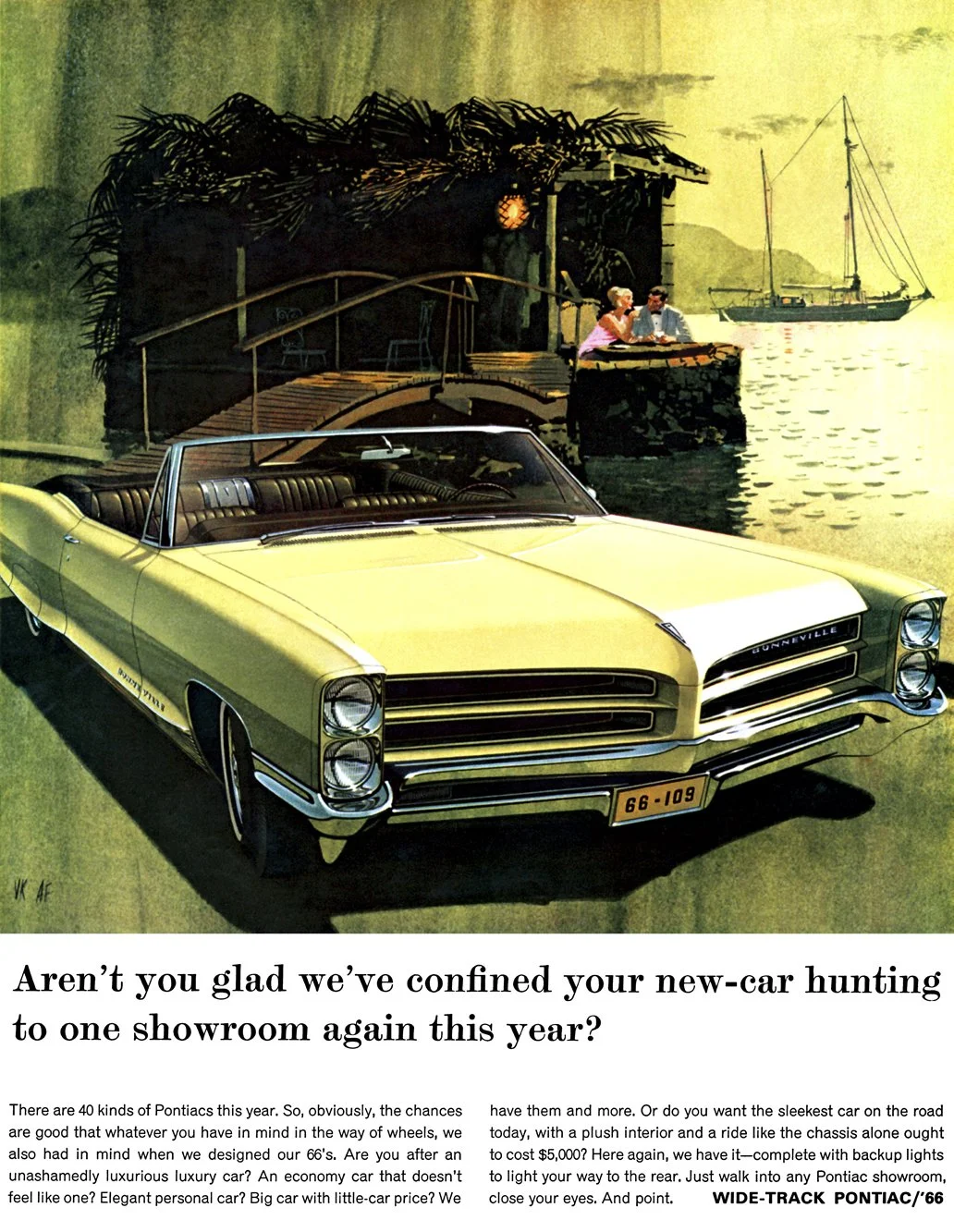
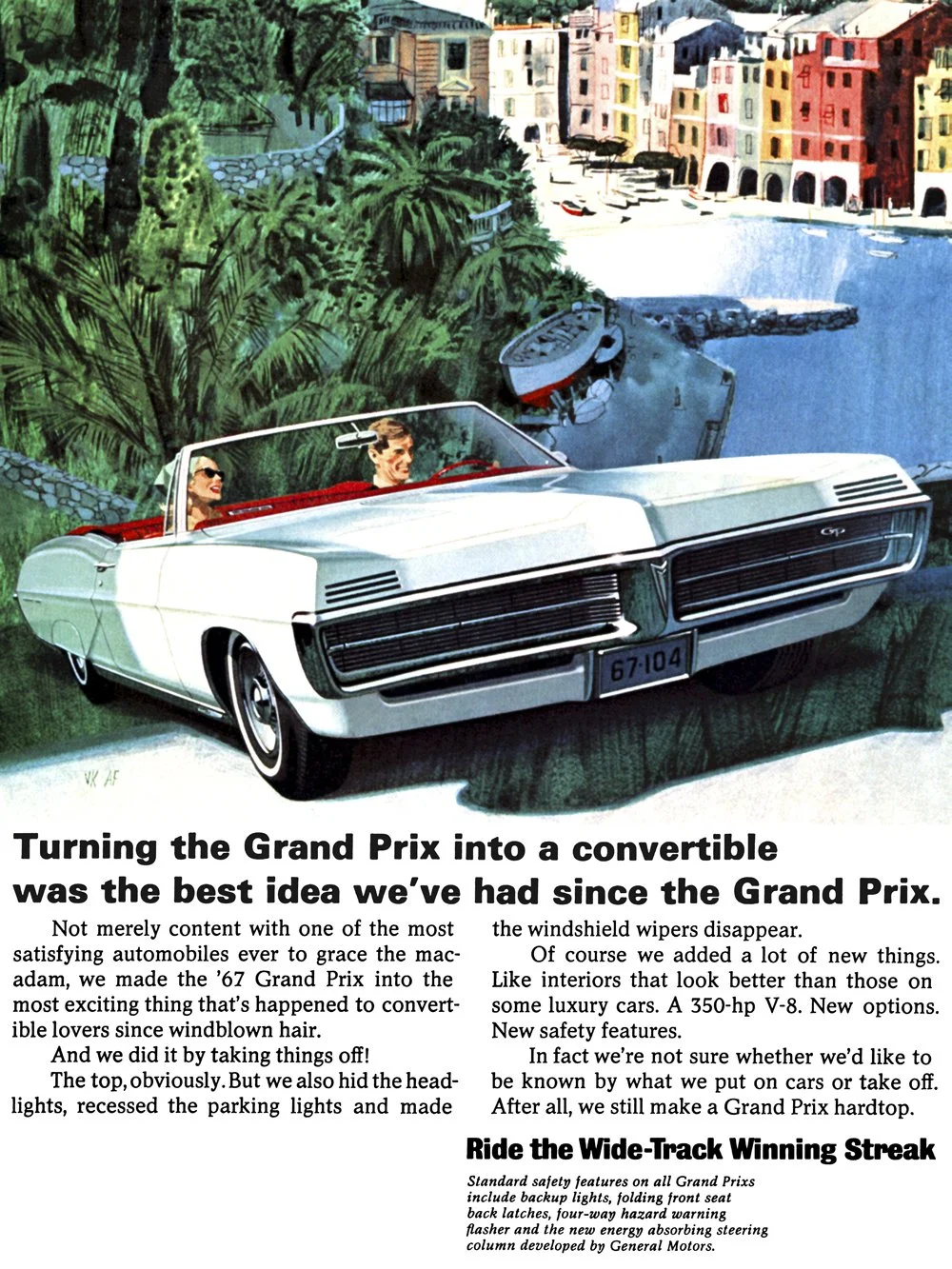
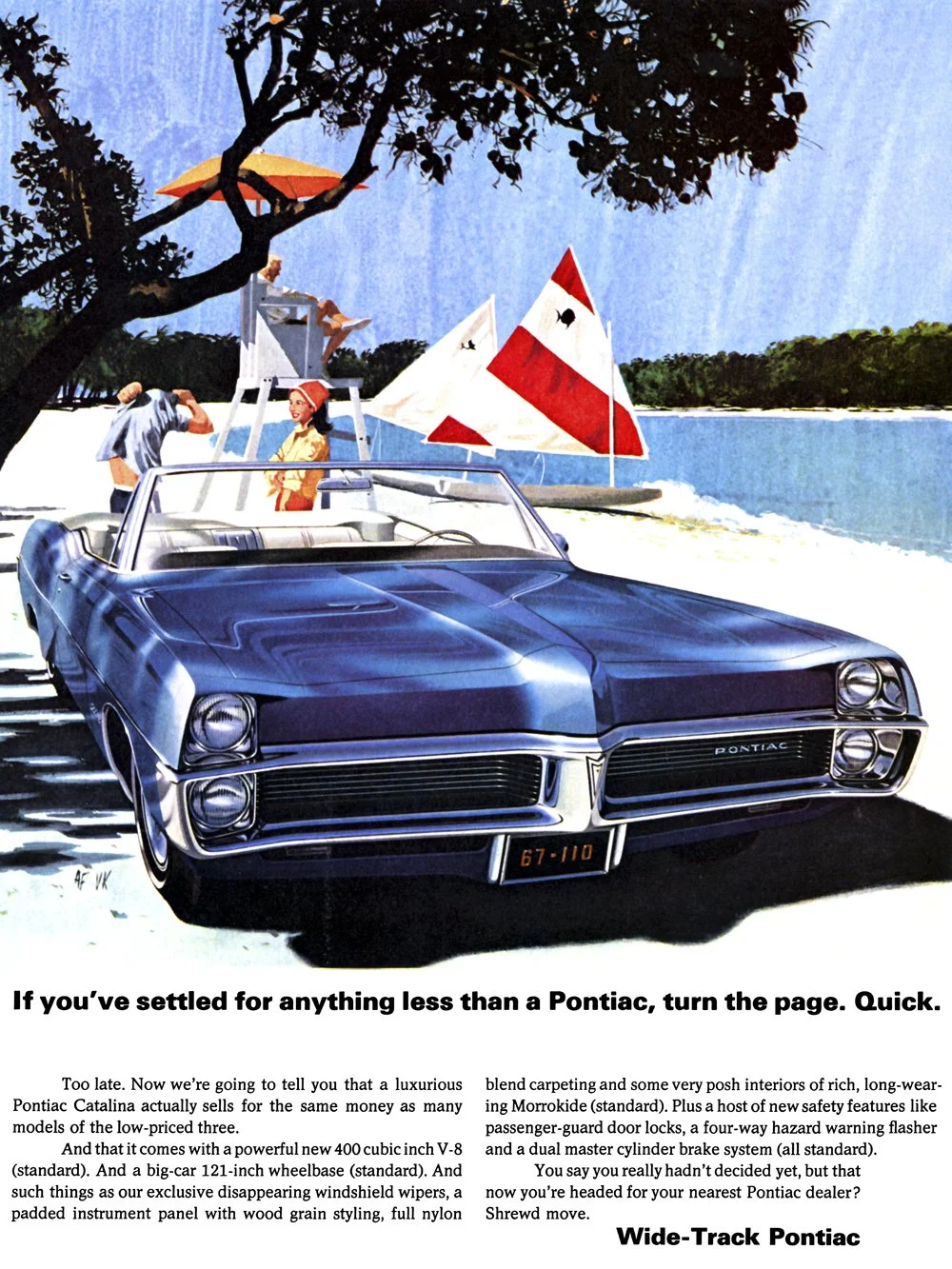
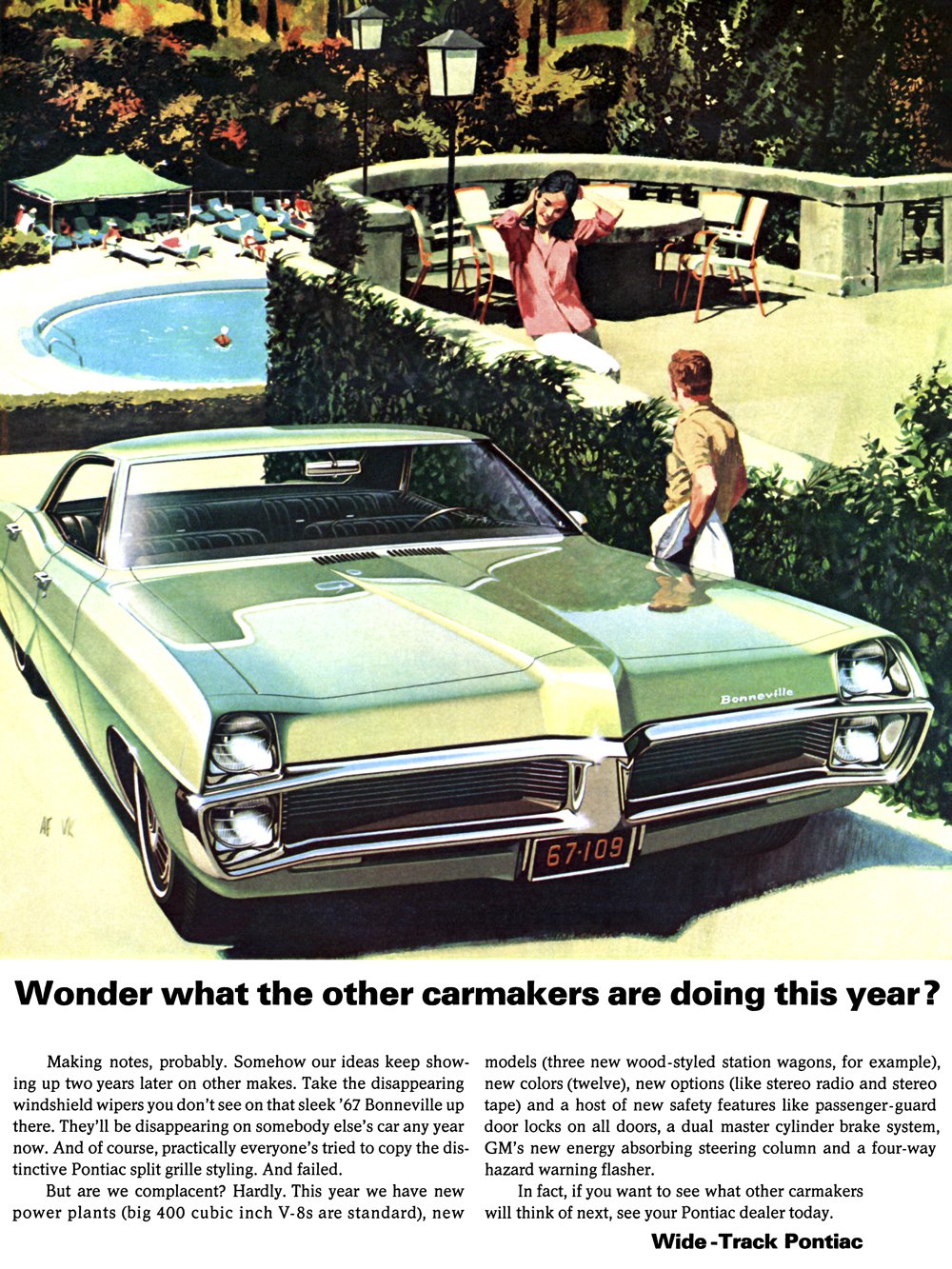
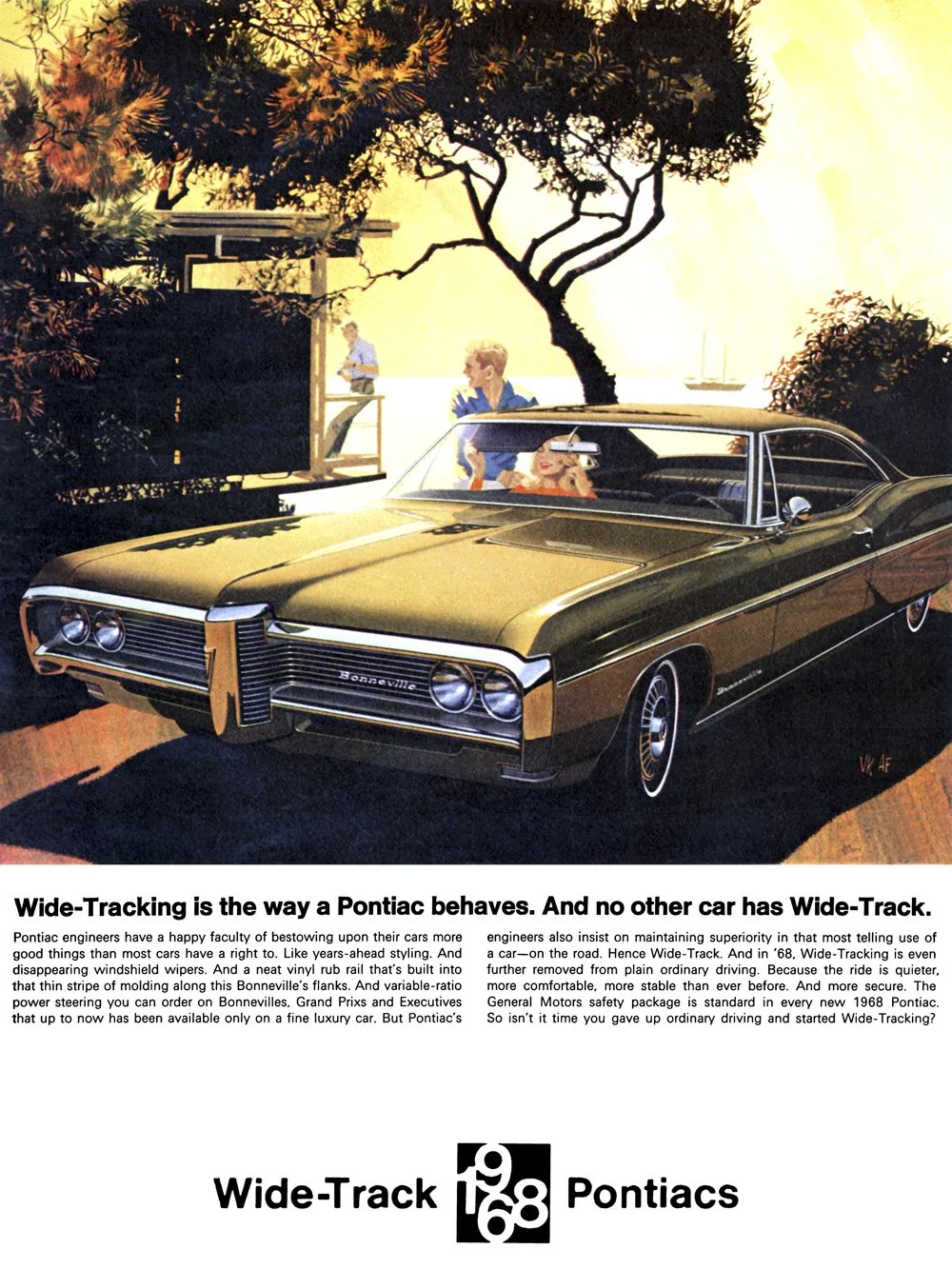
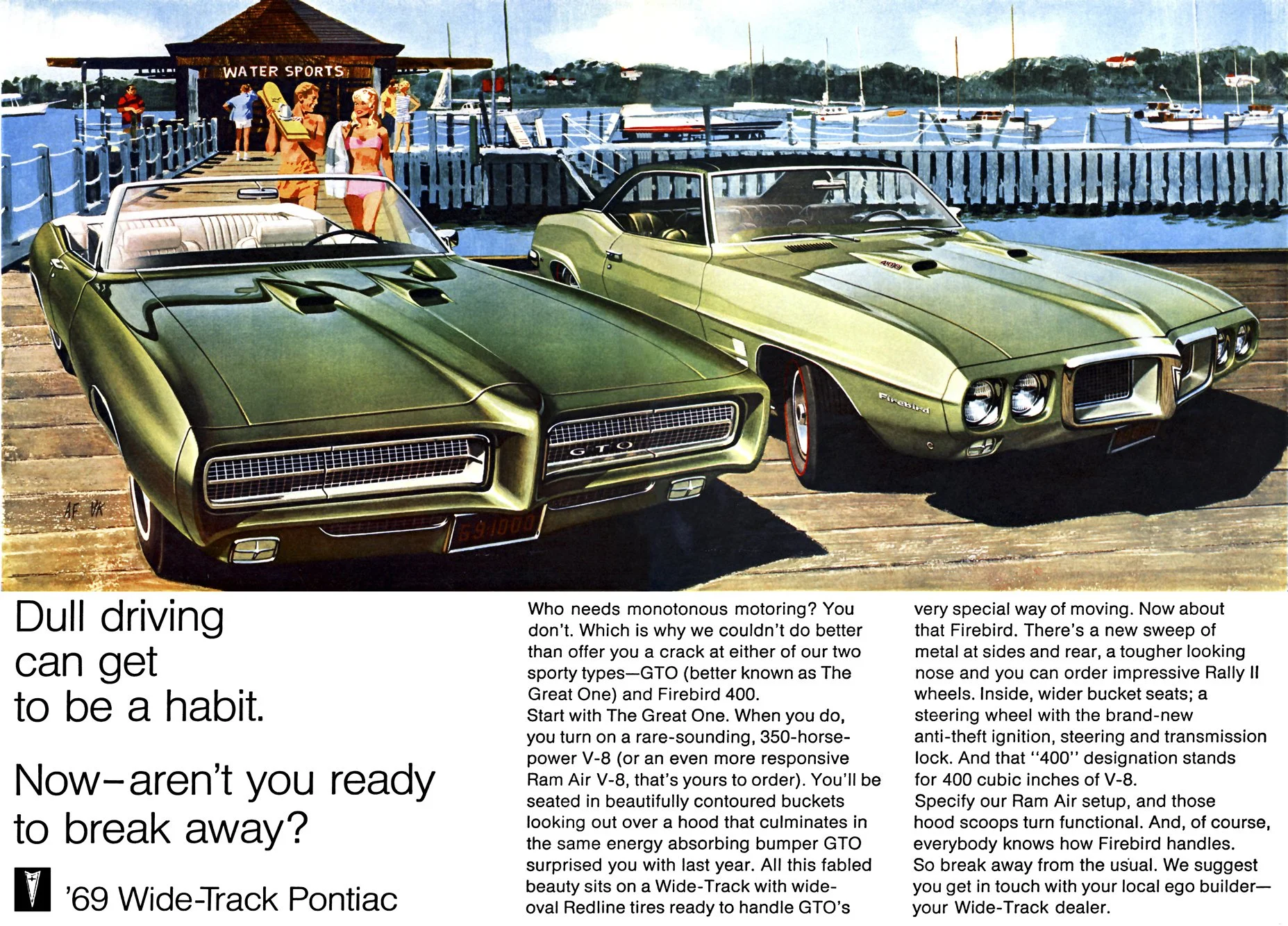
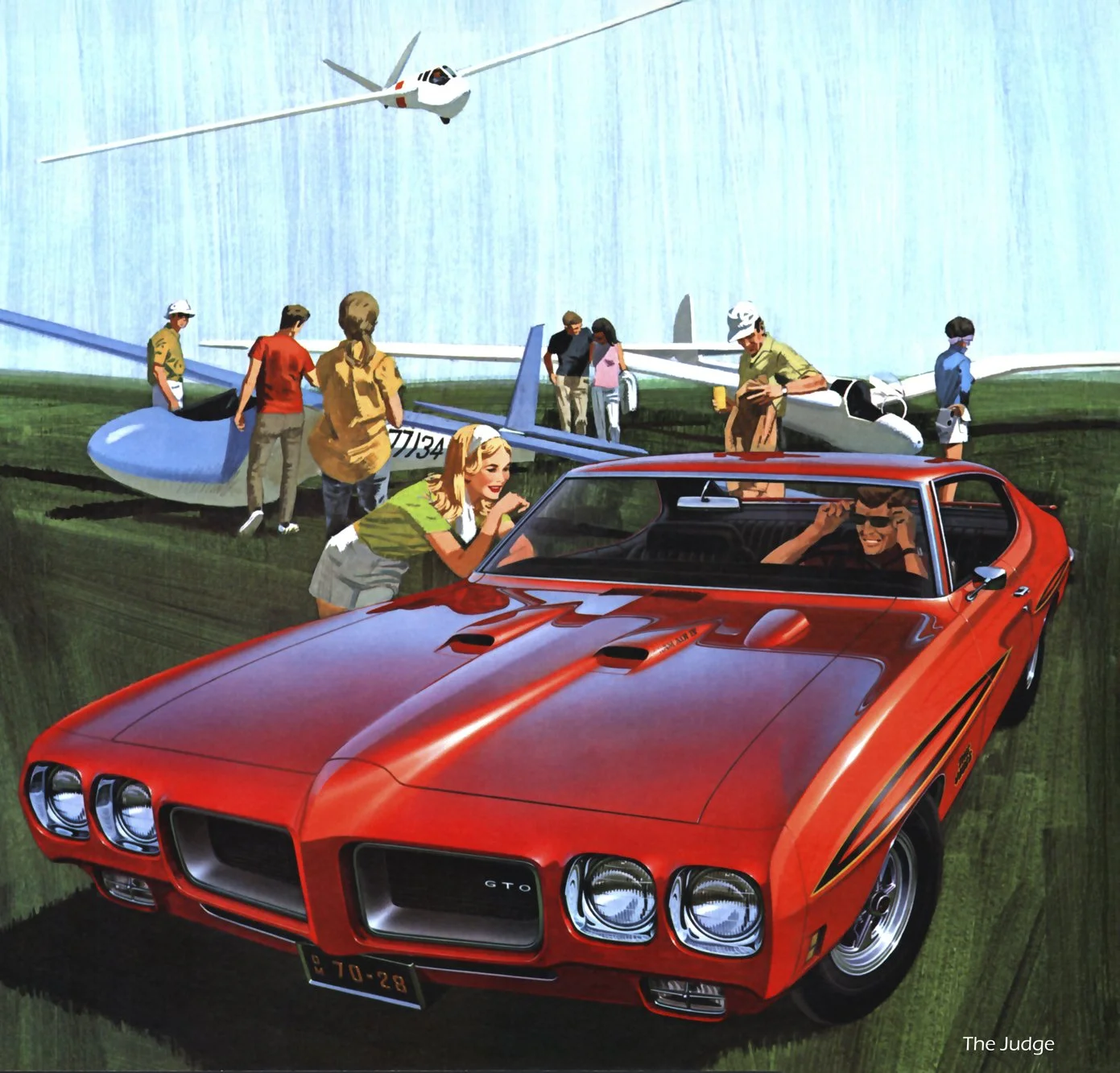
After the war, Fitzpatrick began creating advertising illustrations for Mercury. It was there that he met Van Kaufman, a gifted figure and background artist fresh from the animation world at Disney. The two quickly discovered a natural synergy. Fitzpatrick specialized in the cars themselves, meticulously rendered and subtly exaggerated to emphasize length, width, and elegance. Kaufman brought life to the settings, filling them with cosmopolitan figures, lush landscapes, and architecture that suggested sophistication and adventure.
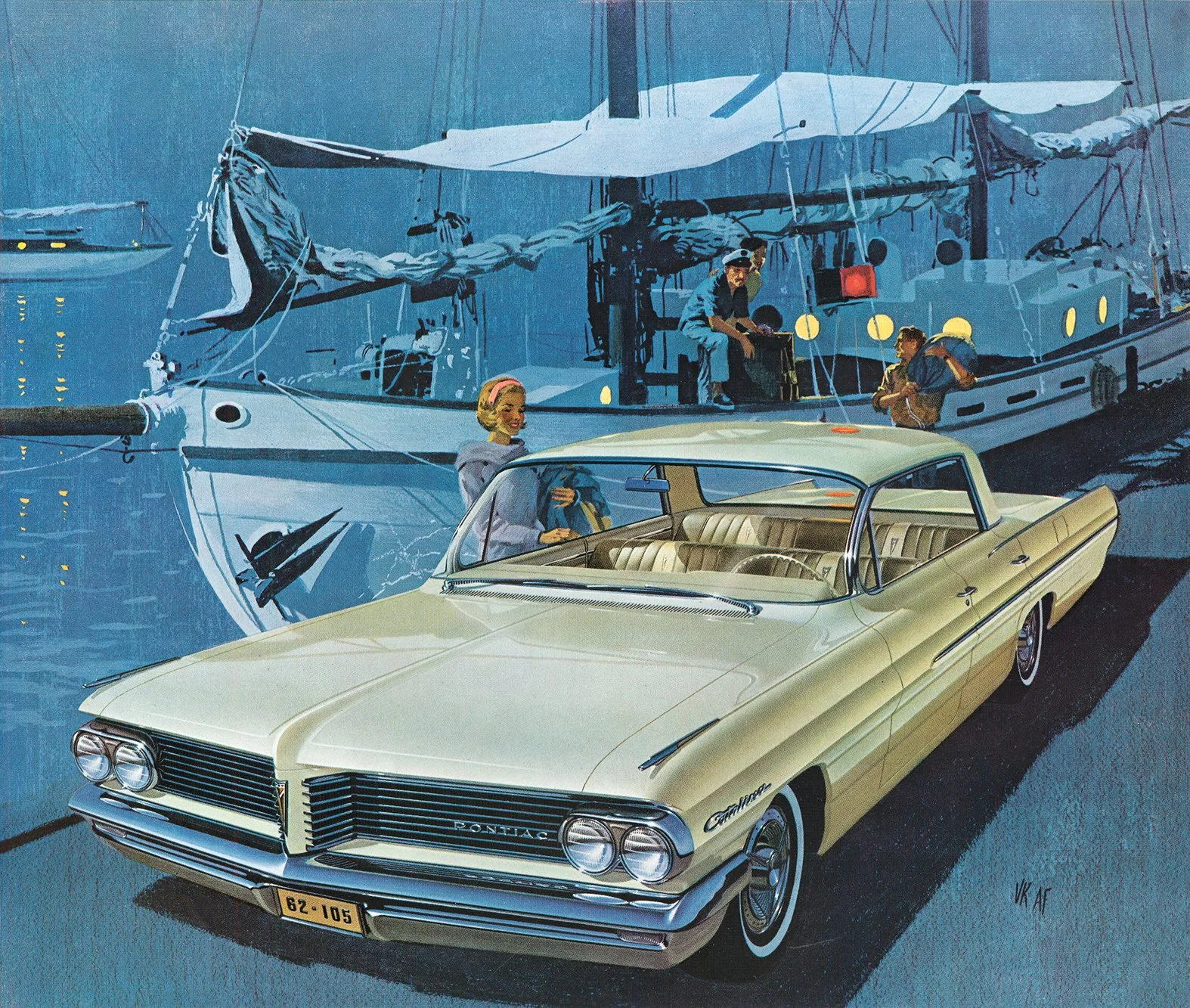
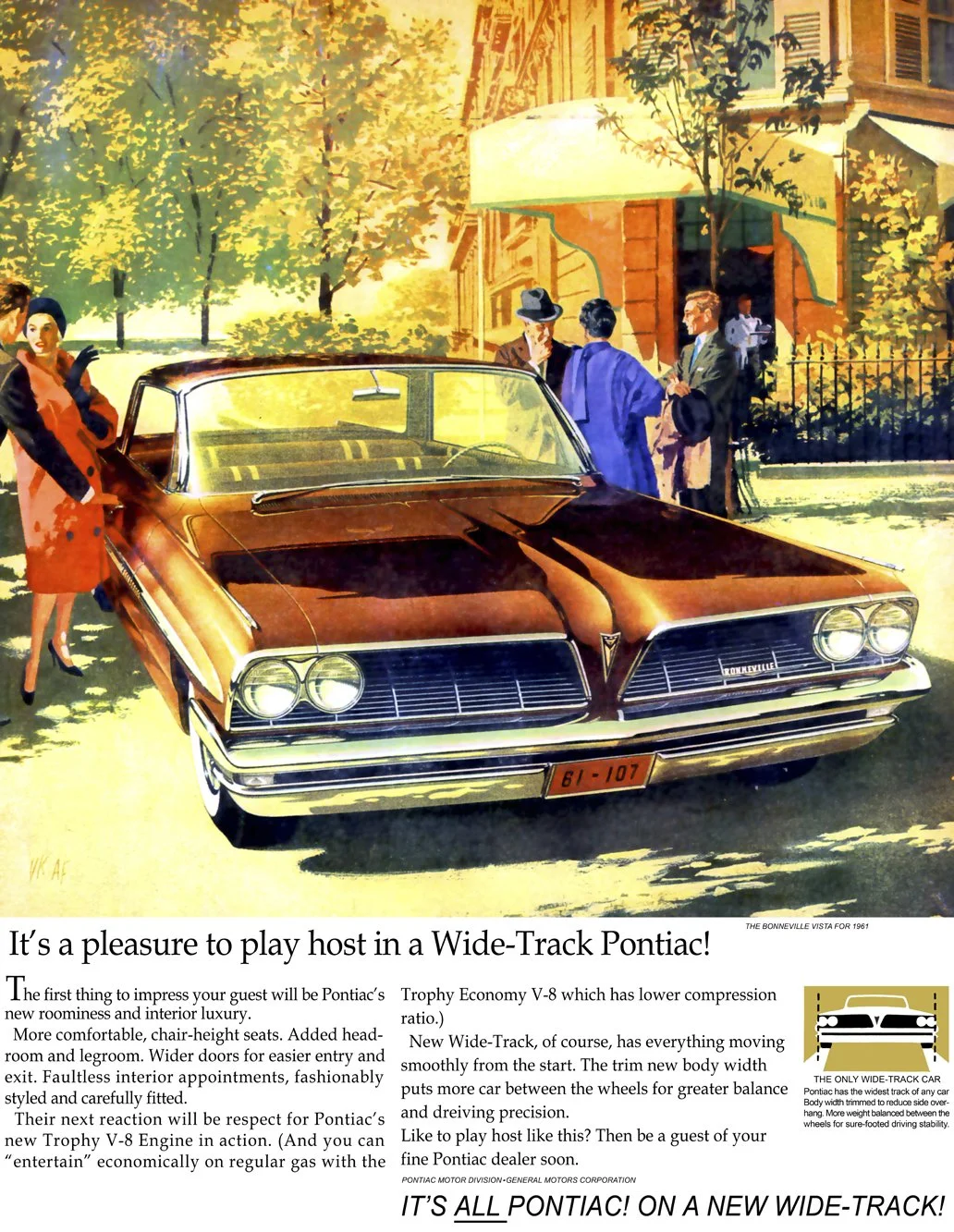
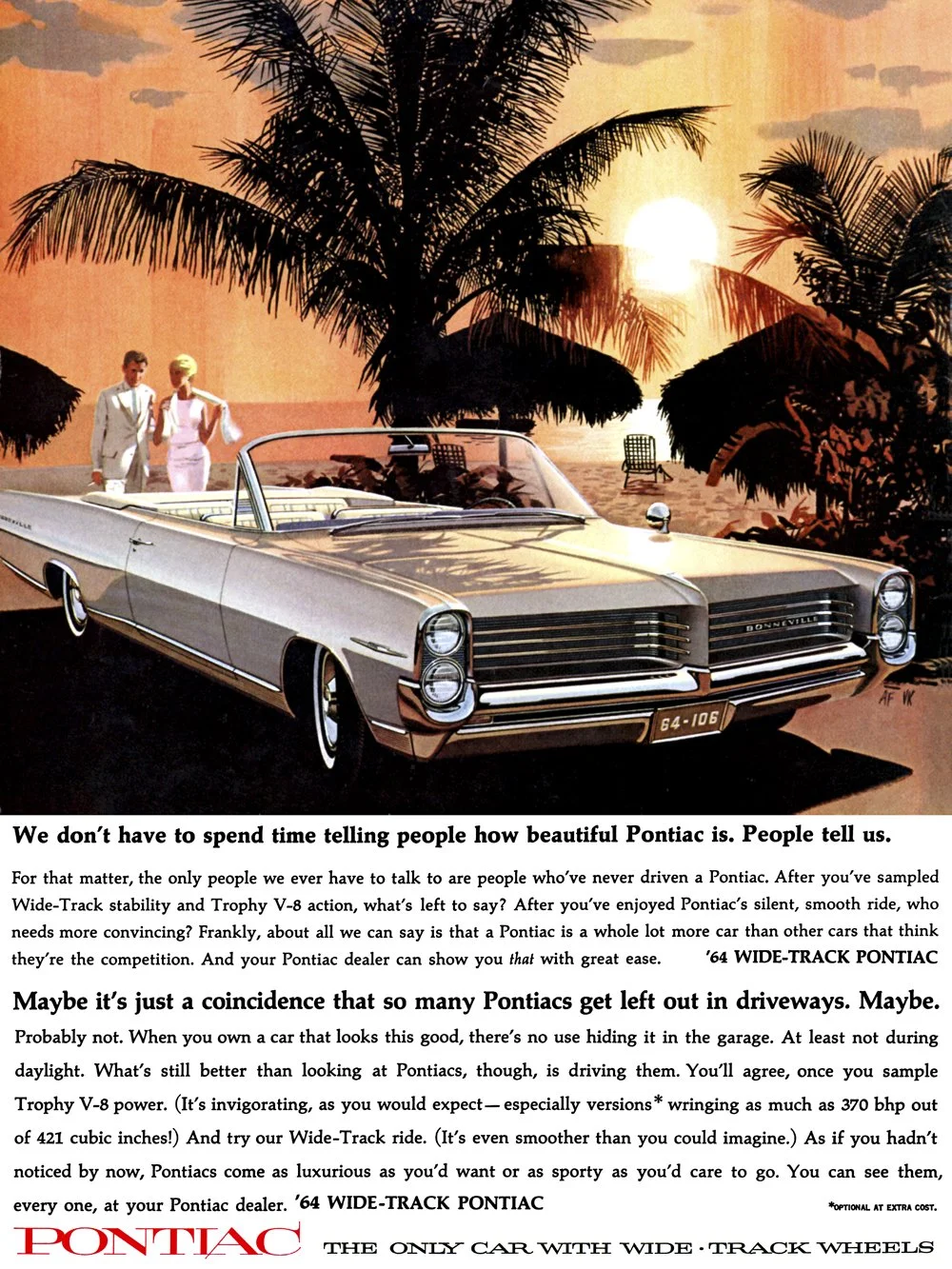
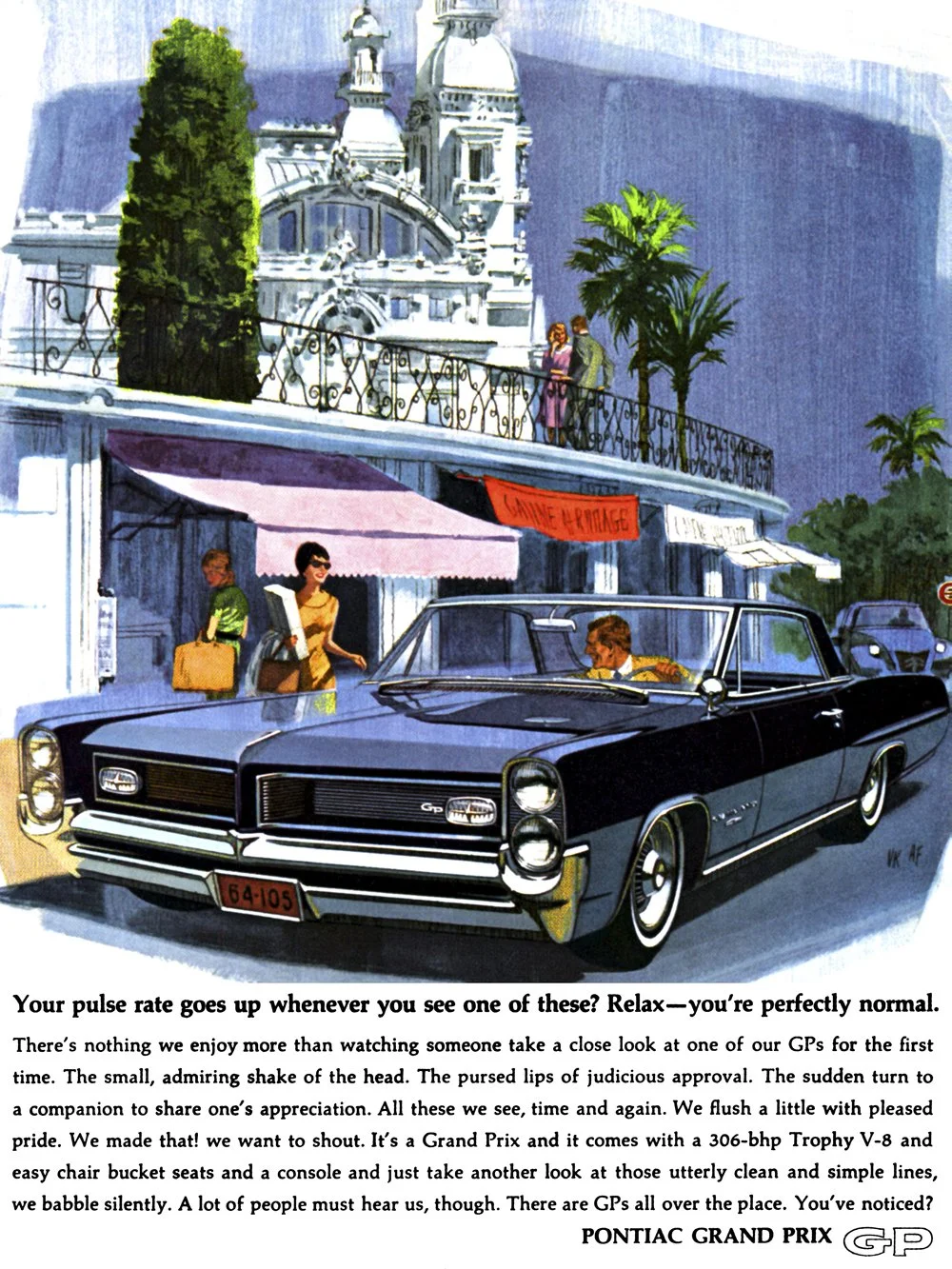
In 1953, the pair began working with General Motors, initially illustrating ads for Buick. By the end of the decade, they had been assigned exclusively to Pontiac, a brand eager to reinvent itself. Over the next twelve years, Fitzpatrick and Kaufman produced 285 illustrations, each one a vivid tableau where the car was always the star, yet never isolated. They often gave the vehicles a purposeful, wide stance that suggested stability and power, a subtle stylistic choice that enhanced their presence on the page. Pontiacs appeared along the boulevards of Monte Carlo, beside sparkling pools on the French Riviera, or parked outside glamorous mid-century homes.
The technique was deliberate and masterful. Fitzpatrick would stretch and recompose photographic references to make Pontiacs appear lower, longer, and more commanding than reality allowed, often cropping the image so the car seemed too big to fit fully on the page. Kaufman’s backgrounds elevated the mood with stylish couples in evening dress, palm trees swaying in the breeze, or sleek modernist buildings reflected in polished chrome. Together, they created an aspirational fantasy world where owning a Pontiac meant stepping into a life of sophistication and excitement.
The impact was immediate and measurable. Pontiac’s sales climbed dramatically, and the brand’s identity became inseparable from the elegance and drama portrayed in its advertising.
Even after their Pontiac years, Fitzpatrick and Kaufman continued to leave their mark, working on European campaigns for Opel in the early 1970s. Fitzpatrick later produced artwork for the U.S. Postal Service’s “America on the Move” stamp series, celebrating classic cars of the 1950s and 1960s. His contributions to automotive art earned him numerous honors, including a Lifetime Achievement Award from the Art Center College of Design, recognition from the Classic Car Club of America, and an award in his name presented annually at the Pebble Beach Concours d’Elegance by the Automotive Fine Arts Society.
When Art Fitzpatrick passed away in 2015 at the age of 96, he left behind not only a body of work that defined an era of automotive advertising but also a legacy that continues to inspire artists, car lovers, and collectors around the world. Today, many of his original paintings are preserved at the Gilmore Car Museum, a testament to an age when illustration could make a car feel larger than life and a dream feel within reach.